[ad_1]
Pros
- Massively capable over techy terrain for a gravel bike
- Sharp handling at low speeds, stable when going faster
- Excellent grip, smooth ride from wide tires
Cons
- Downtube is begging for a storage hatch
- It feels like the future… until you’re on pavement
Size Reviewed
54 cm
Weight
21.5 pounds/9.7 kg
Price
$7,999
“], “filter”: { “nextExceptions”: “img, blockquote, div”, “nextContainsExceptions”: “img, blockquote, a.btn, a.o-button”} }”>
Get a free Giordana cycling jersey when you subscribe to Velo with Outside+! It’s our way of celebrating the 2024 Road World Championships in Zurich. Includes free shipping. Hurry, ends Sept. 29.
>”,”name”:”in-content-cta”,”type”:”link”}}”>Join now.
It’s 2016. Despite those “in the know” saying that gravel bikes are a ploy by the bicycle industry to sell you another kind of bike, you’re still interested in a drop bar bike that promises some on-road speed and a helping of off-tarmac exploration. And then you see the 3T Exploro, a complete bike from the storied Italian brand perhaps better known for making bars and stems than bikes.
At the time, the Exploro was truly novel: aero tube shaping, quick handling geometry, but a frame designed to fit a 27.5 x 2.1” knobby MTB tire. It was weird, it was dismissed, but boy was it ahead of its time. The performance gravel bikes we see today can thank 3T for providing the vision for what a fast drop bar bike off-road looks like.
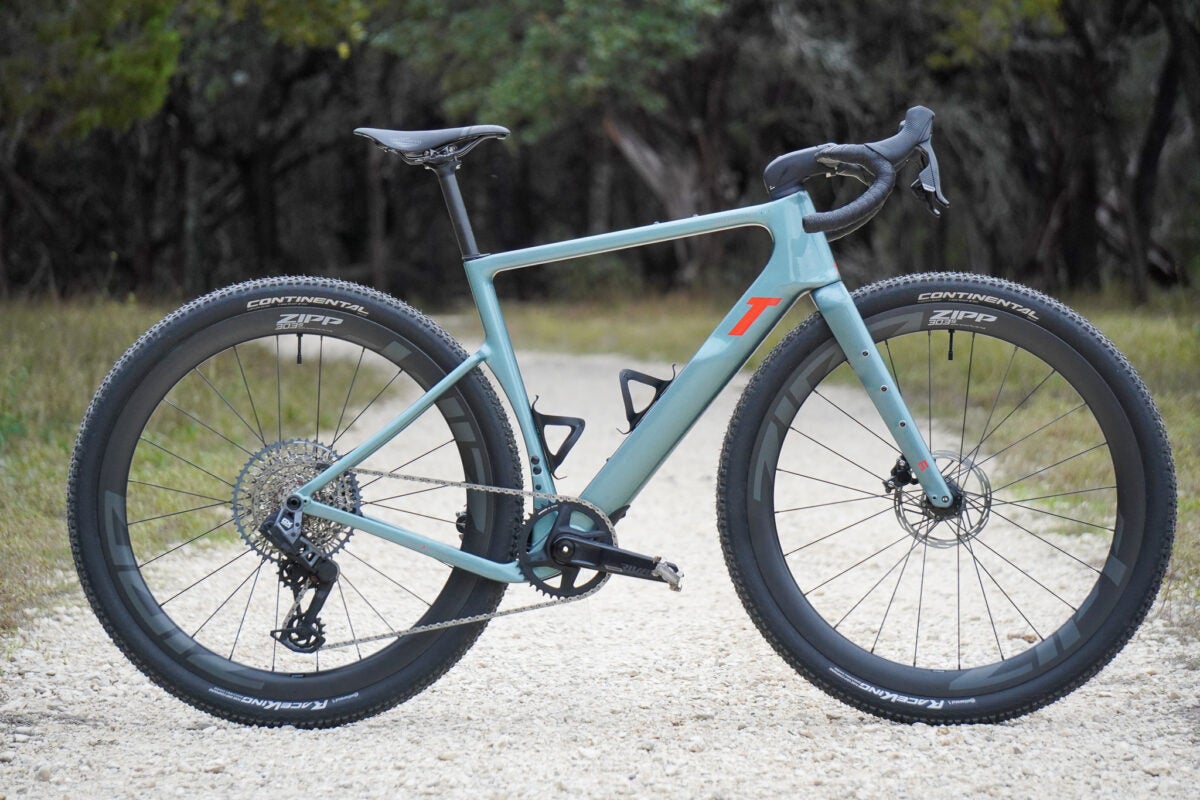
The 3T Extrema Italia seems to diverge from the now-established line of gravel bikes today in a way the Exploro did. It follows the same mantra as before: aero-focused frame design, quicker handling than you’d think, and space for a knobby tire.
Rather than gearing up for your average gravel race, however, 3T says the Extrema is built for riding that’s a bit more… extreme. Whatever it is, there isn’t much out there that truly compares to it.
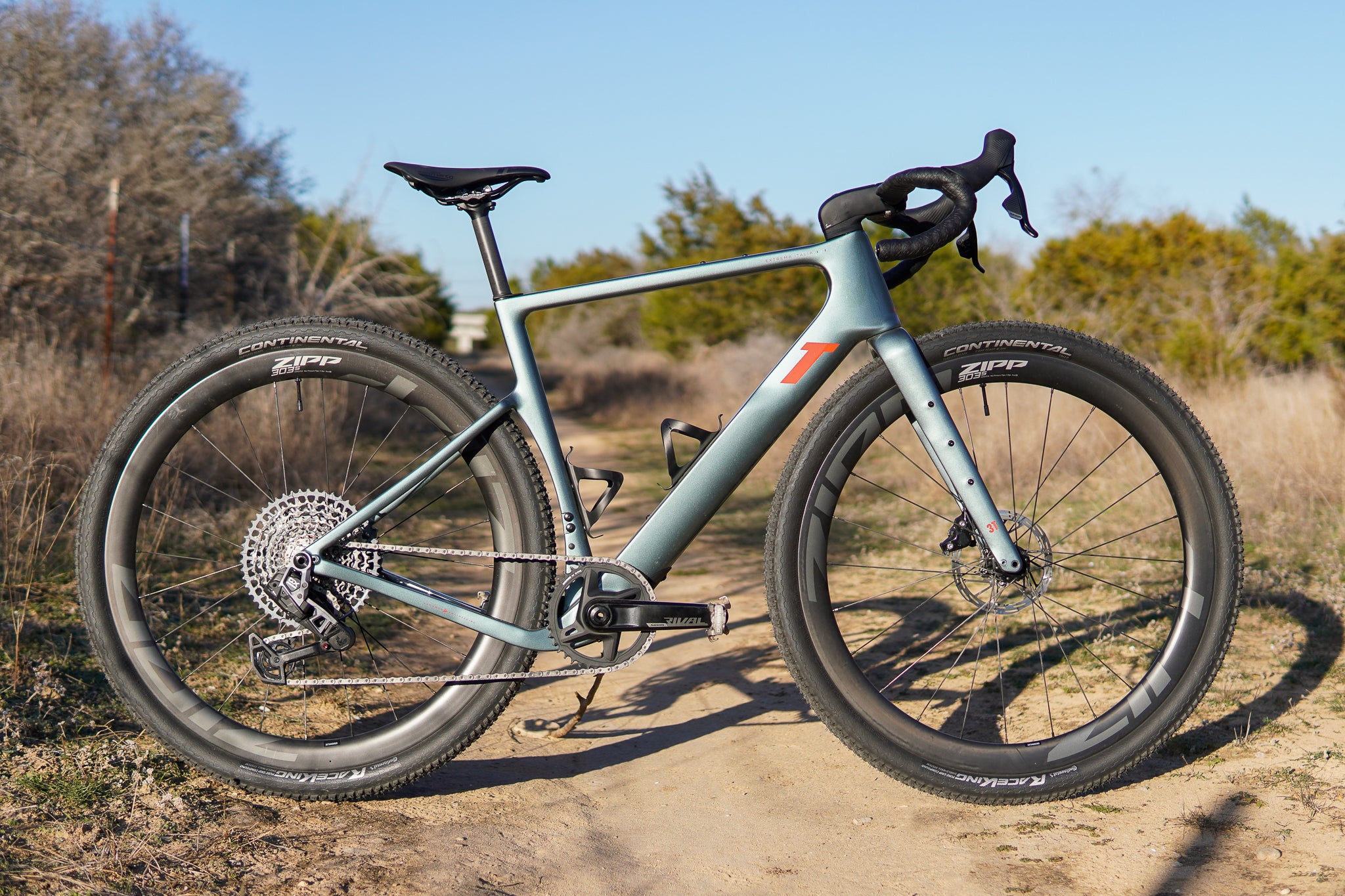
Quick hits: Seven things to know about the 3T Extrema
- Extrema is designed for fast adventure riding, as opposed to the Racemax for fast tarmac and gravel.
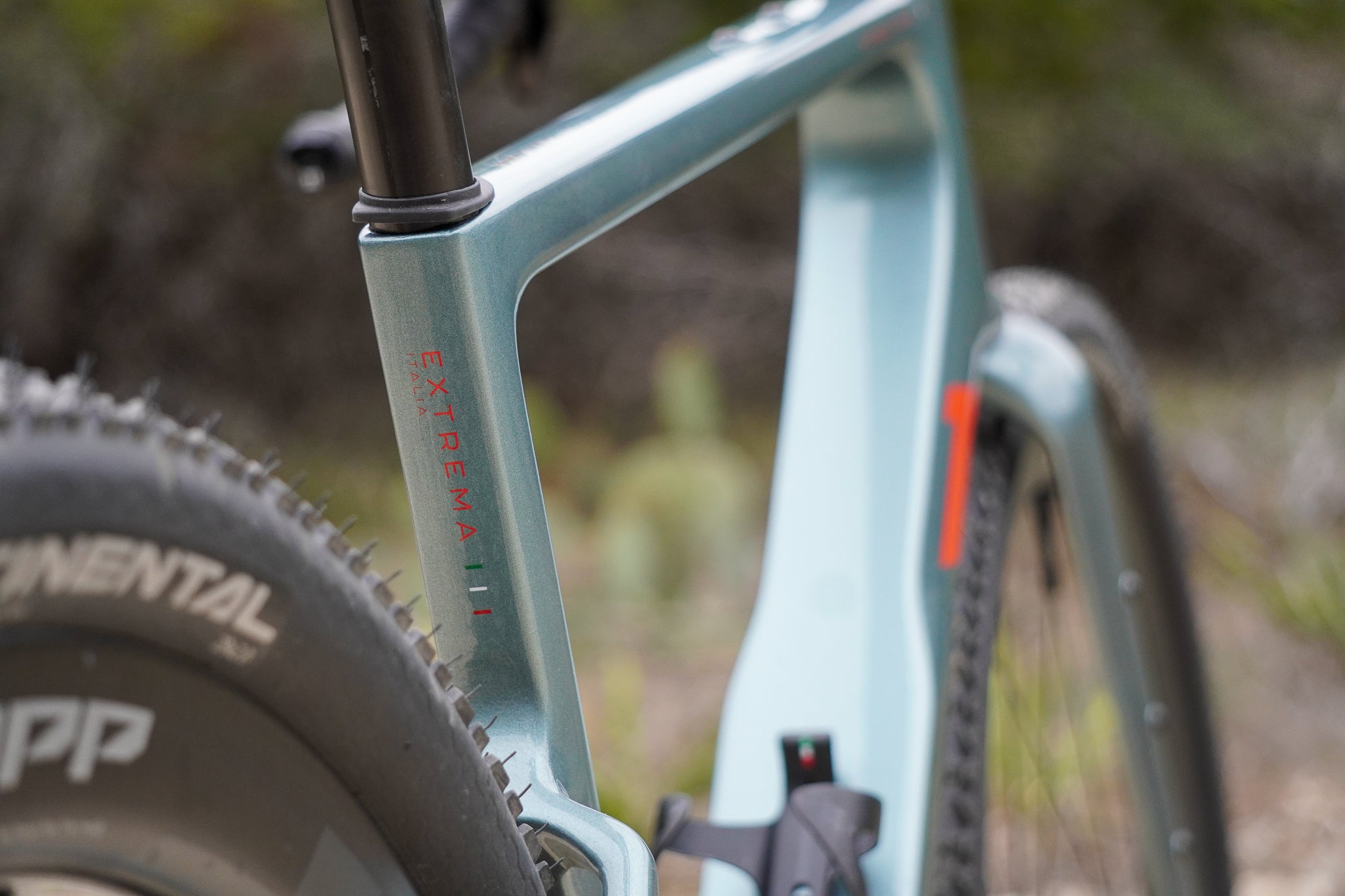
- The Extrema launches with the Italia designation, meaning the frame and fork are made in their own carbon factory in Presezzo, Italy.
- Extrema features tire clearance for up to a 29 x 2.2” (700c x 56 mm) tire.
- Extrema is only compatible with electronic drivetrains and is wireless dropper compatible.
- Four sizes are available from 51 to 58 cm.
- Complete builds and frameset kits start at $5,499 U.S. for an Extrema Italia frameset.
- For more: 3t.bike
Let’s talk about that bike
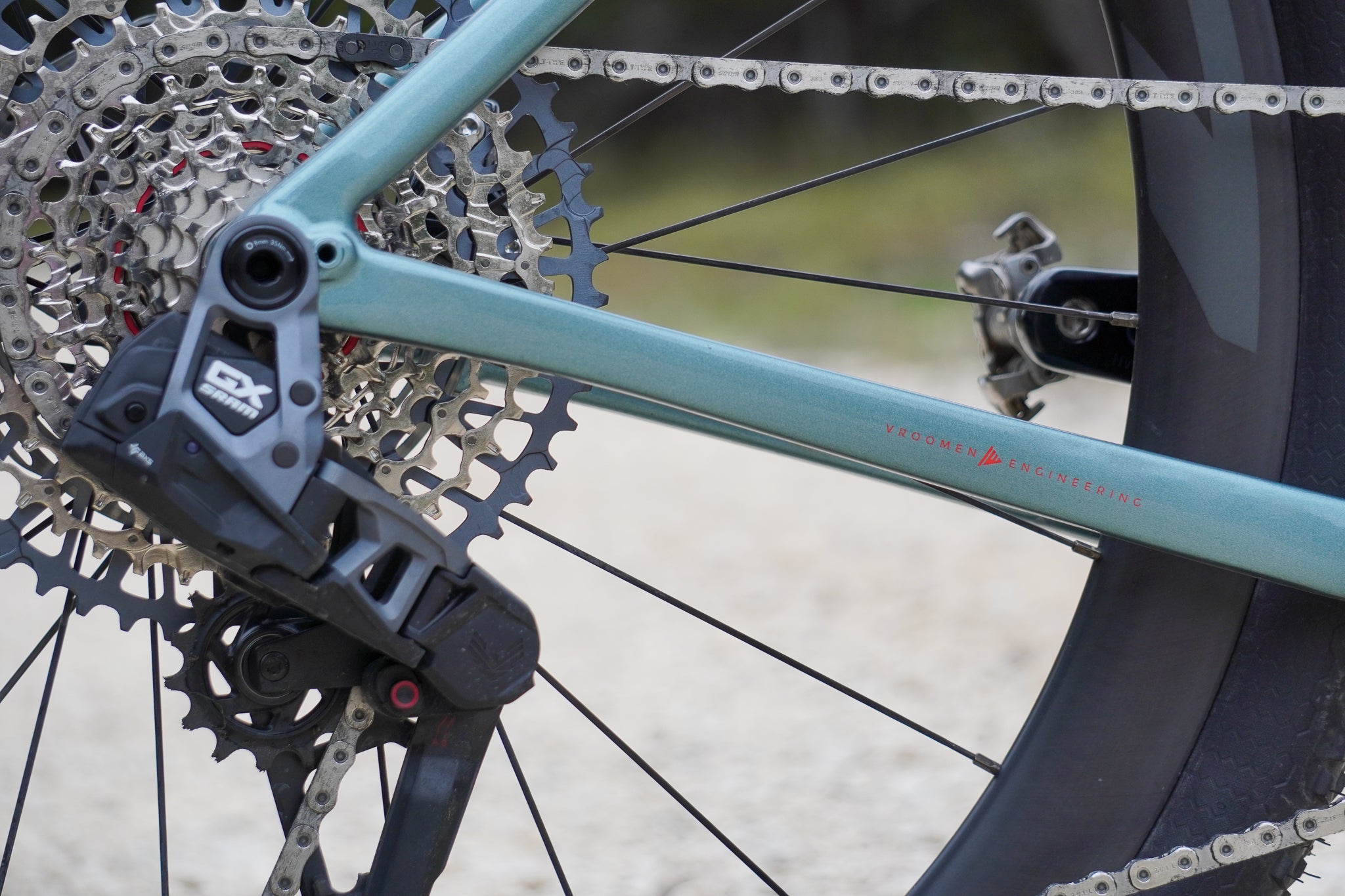
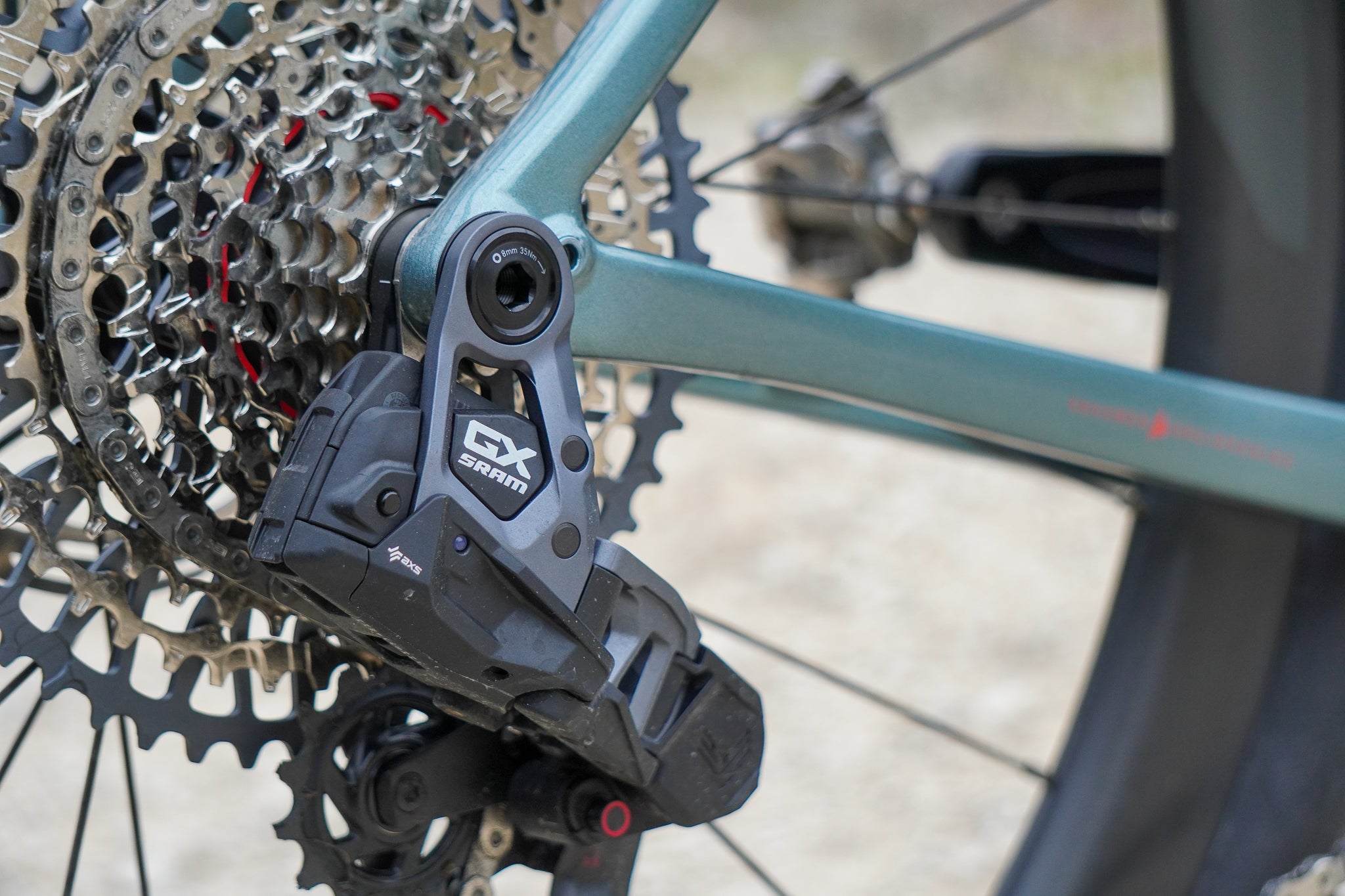
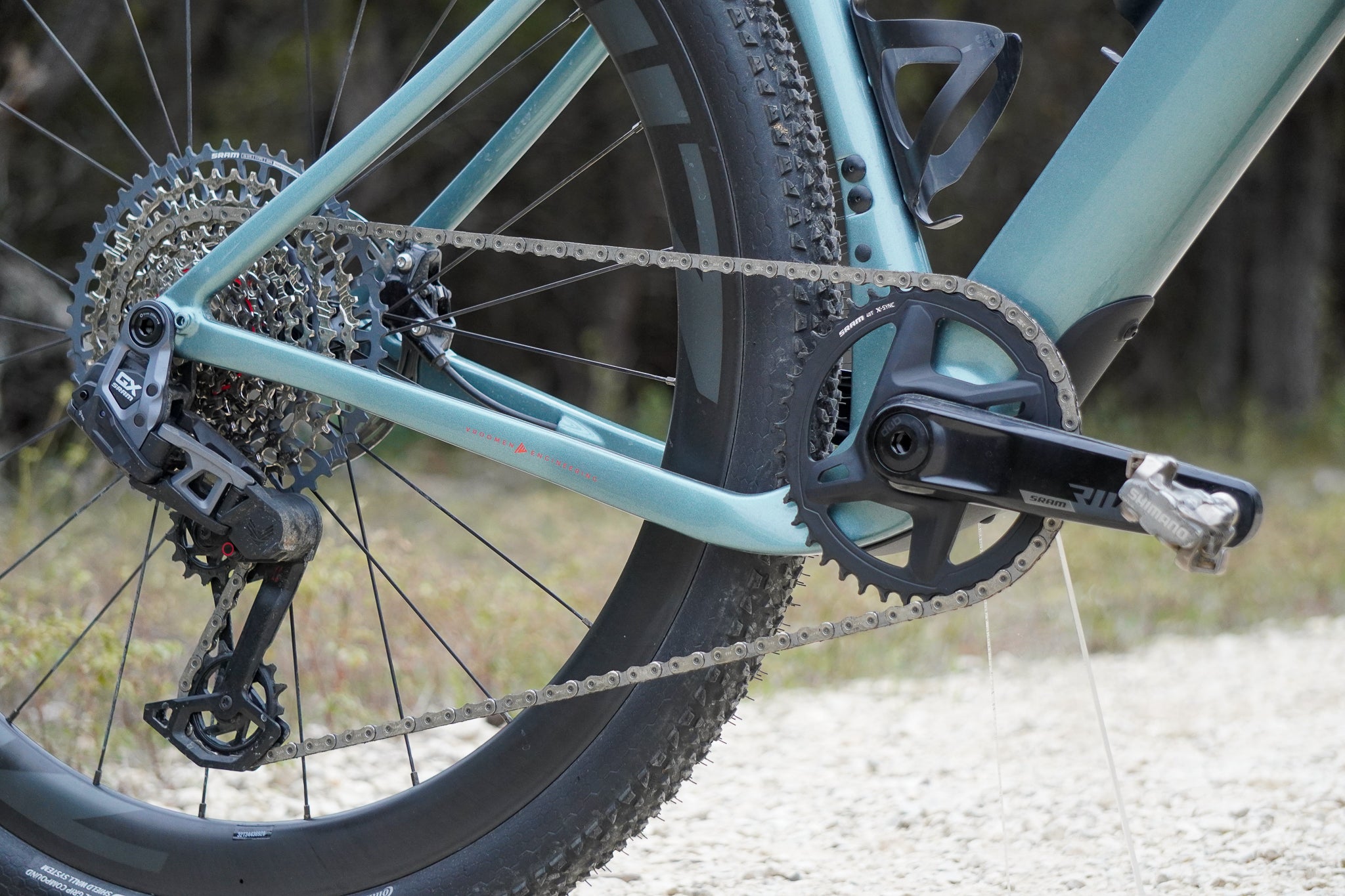
“The 3T Extrema is meant to be the bike that can keep on rolling when everyone else needs to carry their bikes, says Gerard Vroomen, the company founder and person behind the ‘Vroomen engineering’ sticker found on the chain stays.
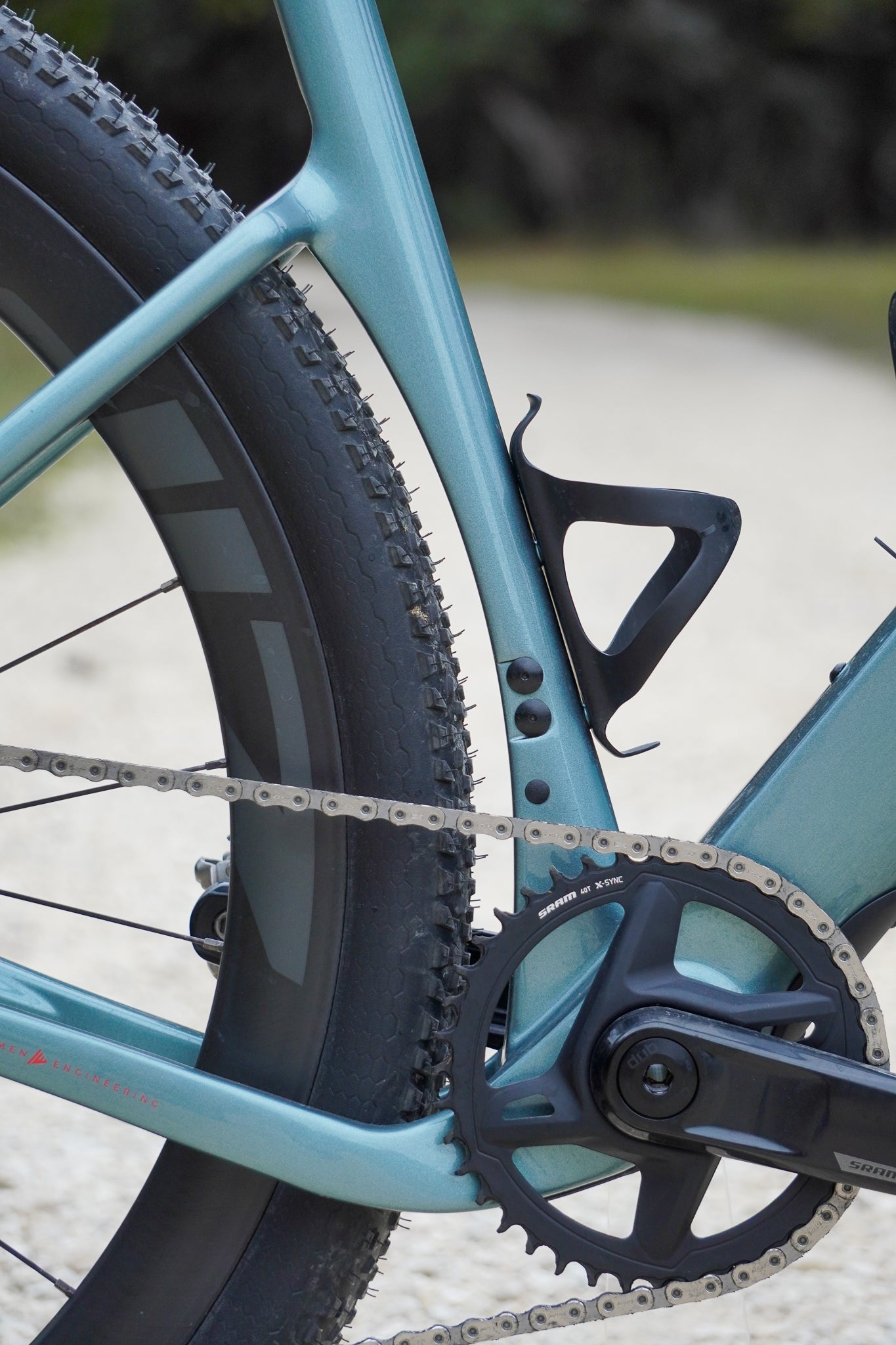
From a surface level, the 3T Extrema doesn’t look all that different from the 3T Exploro Ultra that was released in 2022. It has the same skinny seat stays. The overbuilt downtube flares out around the bottle cages in a similar way. Even the fork crown is small enough to make you reconsider rolling through a drop you wouldn’t think twice about on a hardtail. It’s all there until it isn’t.
That’s not to say there aren’t concessions to aero efficiency. The downtube is big to match airflow around the much bigger tires. There’s a pretty hefty cutout along the seat tube to offer plenty of tire clearance.
And what tire clearance it has: the Extrema fits a claimed 29 x 2.2-inch tire, or roughly 700c x 57 mm. Using a tire this wide on a drop bar bike isn’t new, but doing so with a 700c wheel size rather than 650b presents a number of challenges. Making a tire this tall and wide is relatively easy at the fork just by adding some width and a bit more axle-to-crown length. But even 3T adds complexity by using an impressively thin fork crown. Doing so brings the front wheel closer to the downtube in an effort to smooth airflow from the front wheel to the rest of the bike.
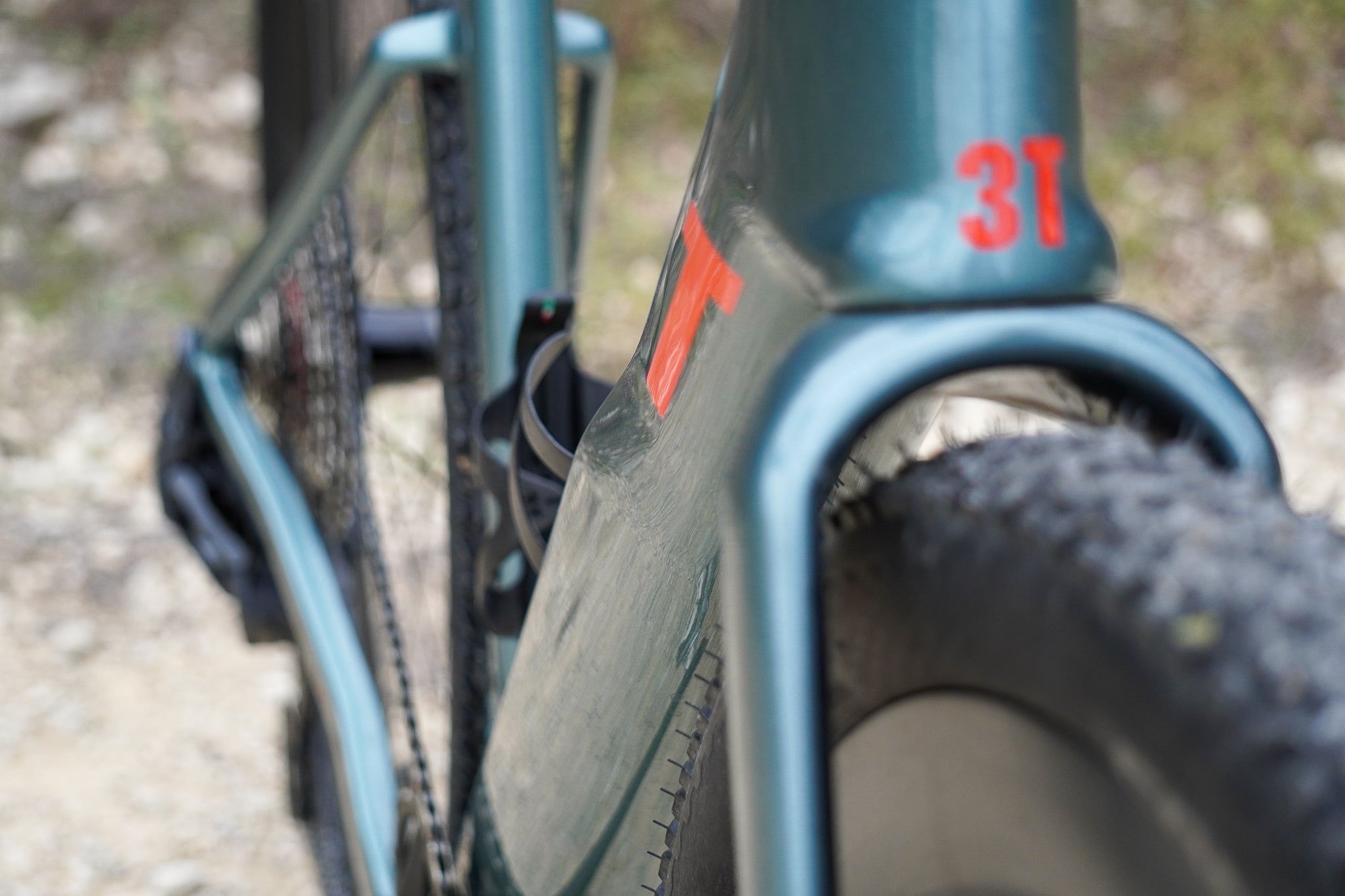
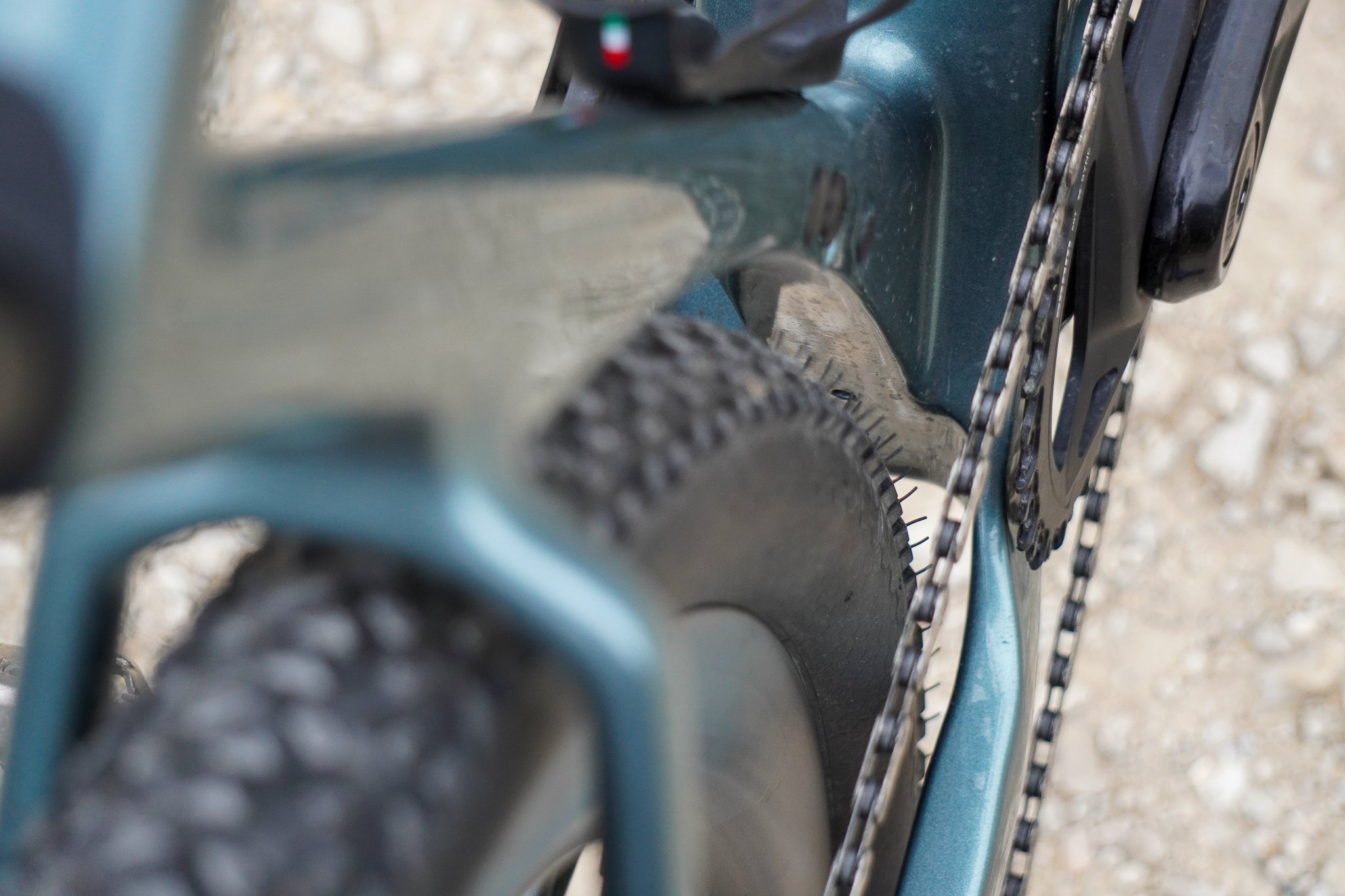
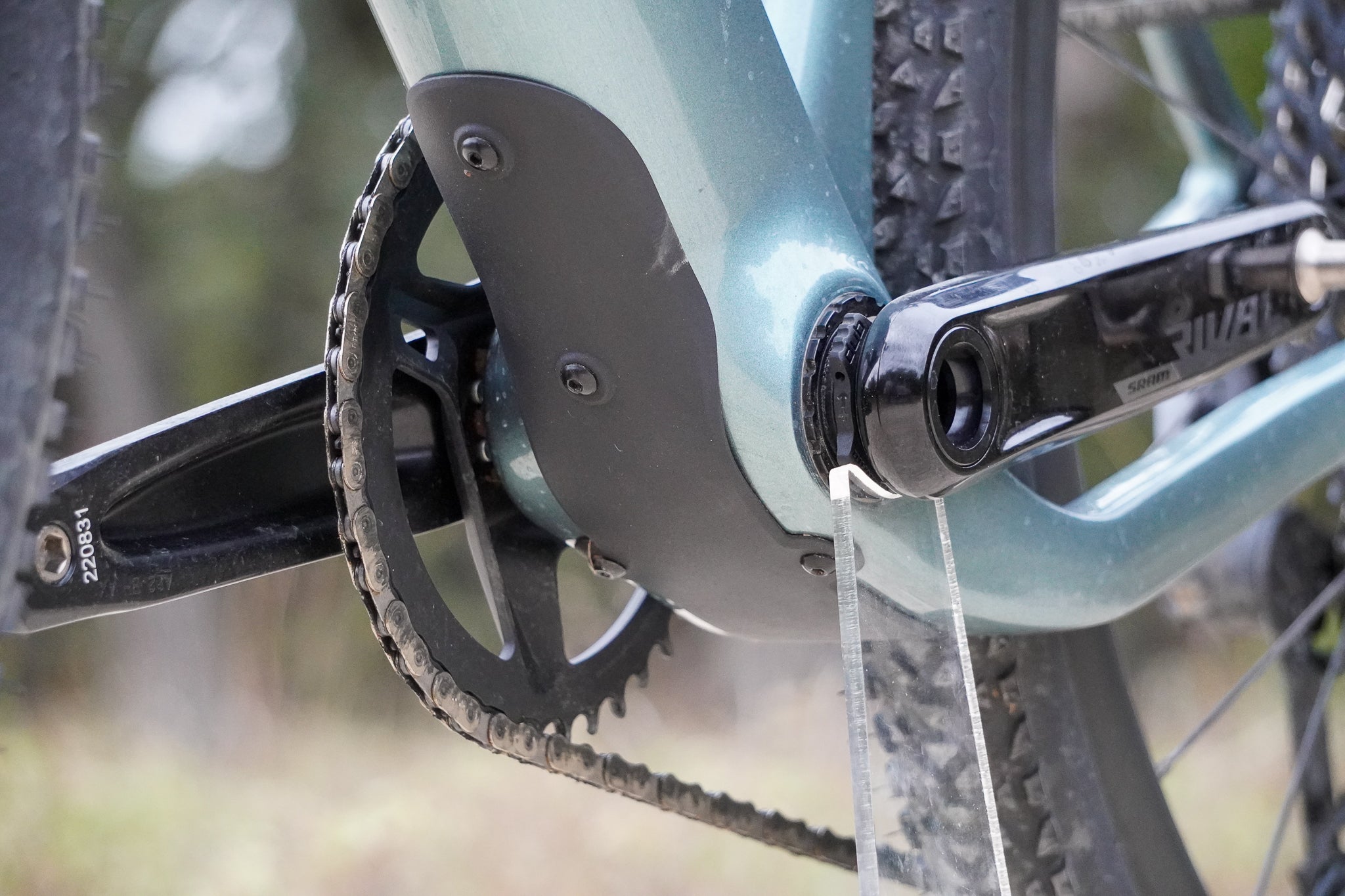
Making that clearance out back is a bit more impressive. 3T dropped both chainstays dramatically and widened them about as much as they could go without messing with chainring clearance too much, fitting a 44t one-by chainring or up to a 48/35t 2x chainring option. Chainstay lengths have stretched to match; at 437 mm across all sizes, it’s longer than most other gravel bikes.
3T says the Extrema Italia is made for “tough races and fast adventures,” and you can see that in some places. The fork features triple mounts for gear or bottles. There’s some protection under the bottom bracket area for rocks and scrapes, with mounts at the bottom bracket and top tube for bags, bottles, or whatever else you’d like. It doesn’t scream heavy duty, but it does look a bit more rugged than 3T’s other gravel bikes.
3T doesn’t list how much a 3T Extrema complete bike weighs. My complete bike weighed in at 22 pounds (10 kg) with tubes in the tires and without accessories. Go tubeless with 3 oz of sealant in each tire and the weight drops to 21.5 pounds (9.7 kg). For a point of comparison, a custom steel Scarab Paramo I have for review weighs in at 21 pounds (9.5 kg), though that’s without the big tires and tubes inside.
What’s up with this Italia designation?
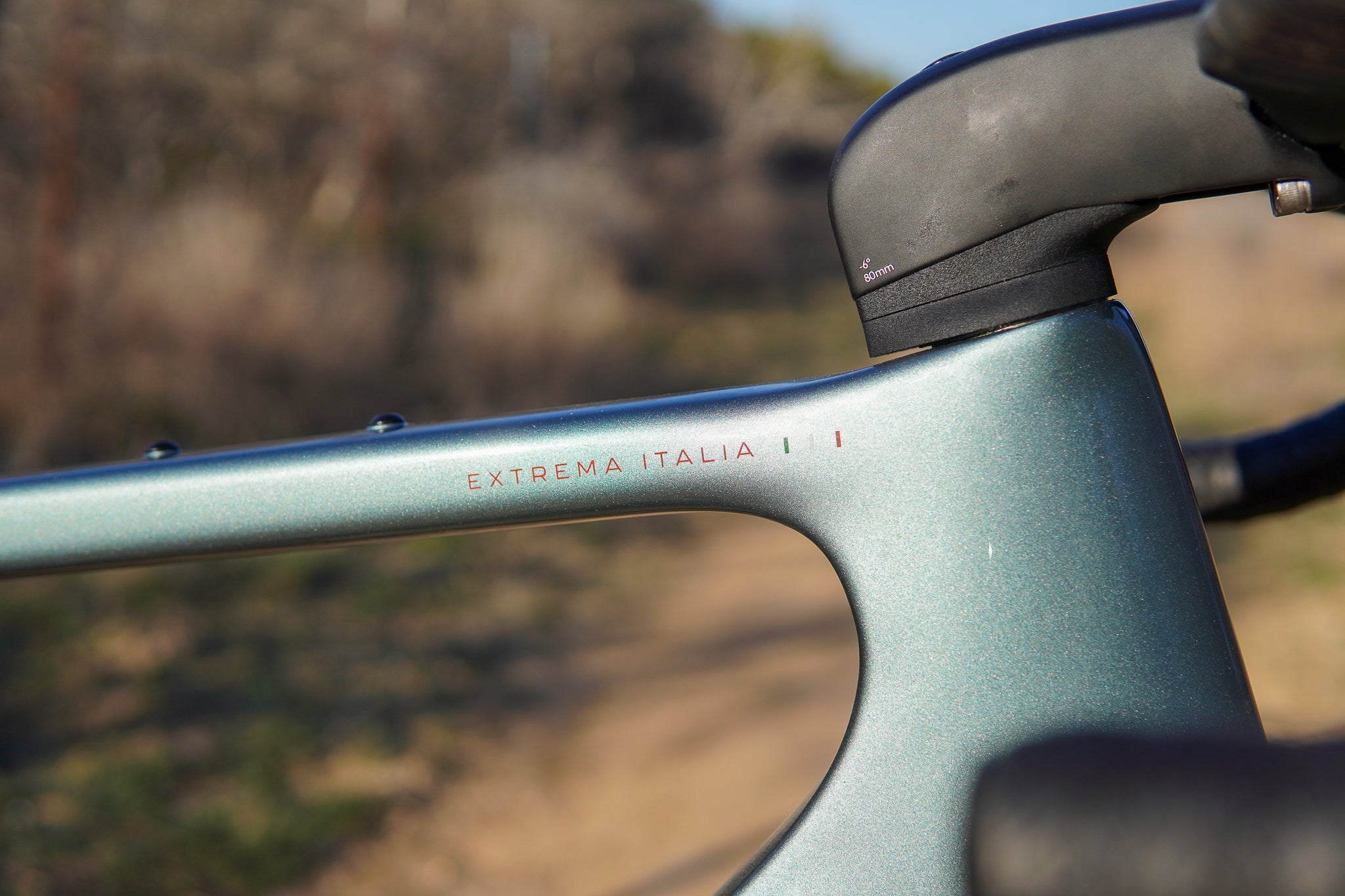
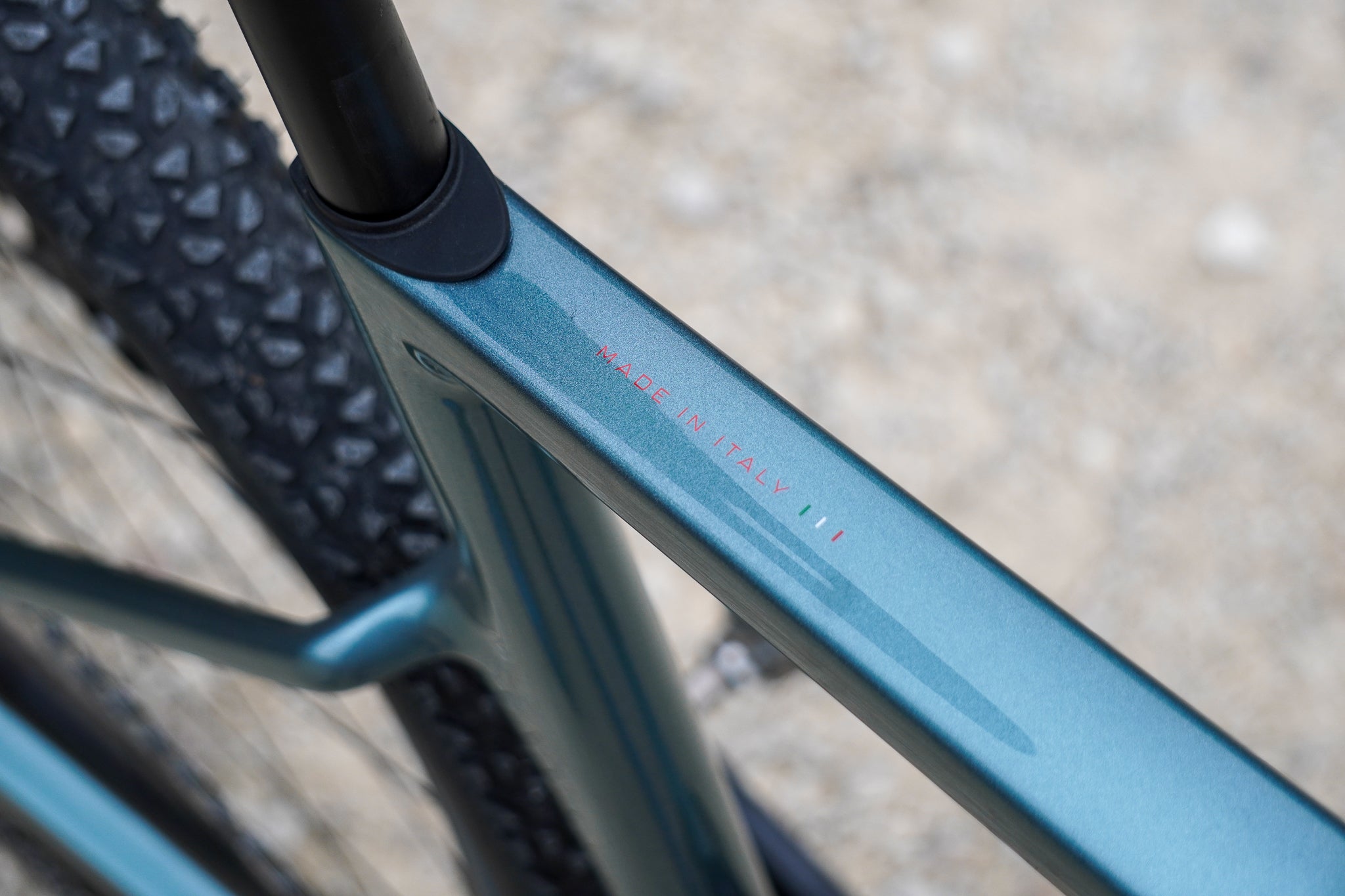
Most 3T bikes are manufactured in Asia using pre-made carbon sheets that are baked in a mold to make a frame. However, 3T bikes with the Made in Italy badge on the top tube are constructed differently than their other bikes, much less most other carbon bikes on the market today.
3T has opted for filament wound carbon, which takes carbon down to a level of spinning literal carbon fibers around mandrels to form tube shapes. Doing so offers far more control over how a bike rides and feels as well as a far higher-quality finish overall.
While this process isn’t common in the bicycle world, its strengths come into play in aerospace, pressure vessels, and more. These require high-precision carbon fiber, and the filament winding system that 3T promises just that.
There are other advantages to this as well. Vroomen added that the Italia bikes tend to be lighter and stiffer than the non-Italia models. And for riders who ride only 1x or only electronic shifting, the Italia bikes can be more easily customized to remove front derailleur rivets, drill holes, or anything a rider doesn’t want on their bike.
Years in the bike industry have taught me that while most bikes have decent build quality, the carbon filament winding technique Time has used for their frames resulted in frames that were a step above. Those bikes had build quality issues so infrequently that any issue was truly a shock. Based on what 3T tells me, the Italia-made bikes are cut from a similar cloth.
Geometry
| SIZE (cm) | 51 | 54 | 56 | 58 |
| RIDER HEIGHT* (cm) | 157-171 | 168-180 | 176-186 | 183-195 |
| RIDER HEIGHT* (INCHES) | 5’2’’-5’7’’ | 5’6’’-5’11’’ | 5’9’’-6’1’’ | 6’0’’-6’5’’ |
| STACK (mm) | 547 | 570 | 590 | 610 |
| REACH (mm) | 358 | 368 | 376 | 384 |
| FORK AXLE-CROWN (mm) | 387 | 387 | 387 | 387 |
| HEADTUBE LENGTH (mm) | 142 | 158 | 175 | 196 |
| HEAD ANGLE (mm) | 69,1 | 70,5 | 71,5 | 72 |
| BB DROP (mm) | 79 | 76 | 76 | 74 |
| SEAT ANGLE (mm) | 73,5 | 73,4 | 73,4 | 73,4 |
| SEAT TUBE LENGTH (mm) | 466 | 491 | 521 | 549 |
| TOP TUBE LENGTH (mm) | 529 | 547 | 561 | 575 |
| WHEELBASE (mm) | 1044 | 1036 | 1040 | 1050 |
| FRONT CENTER (mm) | 620 | 612 | 617 | 626 |
| REAR CENTER (mm) | 437 | 437 | 437 | 437 |
“We want to keep the rider in a good aerodynamic position first and foremost, and then use the tires and steering geometry to work out things to accommodate the terrain,” says Vroomen.
Doing so requires some concerted decisions that stray away from most drop bar bikes that have this tire clearance. Notably, that’s around the front-center length, or the distance between the center of the bottom bracket to the center of the front wheel axle.
A longer front-center can increase steering stability when descending by reducing the amount of rider weight that’s placed over the front wheel. It also prevents toe overlap. Too long, however, and the bike’s handling can feel ponderous. Too short, and the bike can feel unstable on descents. But according to Vroomen, it’s about finding balance.
Accompanying those somewhat short front-center numbers is a long 437 mm chainstay length, which helps to ensure rider weight is centered on the bike without sacrificing that quick handling that 3T wants to have. That chainstay length is the same across all sizes, however. These two measurements together result in a bike with steering geometry that is considerably quicker than most other bikes that fit tires this big.
3T says that the Extrema’s steering geometry works for tires between 40 mm and 57 mm wide, but is optimized for riding with a 50 mm to 57 mm wide tire. Translation? The Extrema might still be a one-bike solution, but only if you use wider than a 40 mm tire.
To note, the Extrema Italia comes in just four sizes between 51 cm and 58 cm. Trail figures vary across sizes; my 54 cm bike measured to a 59 mm offset, resulting in a 67 mm trail figure. Other sizes are closer to the high 50 mm to low 60 mm, a quick figure for a bike with tires this big.
Riding the 3T Extrema
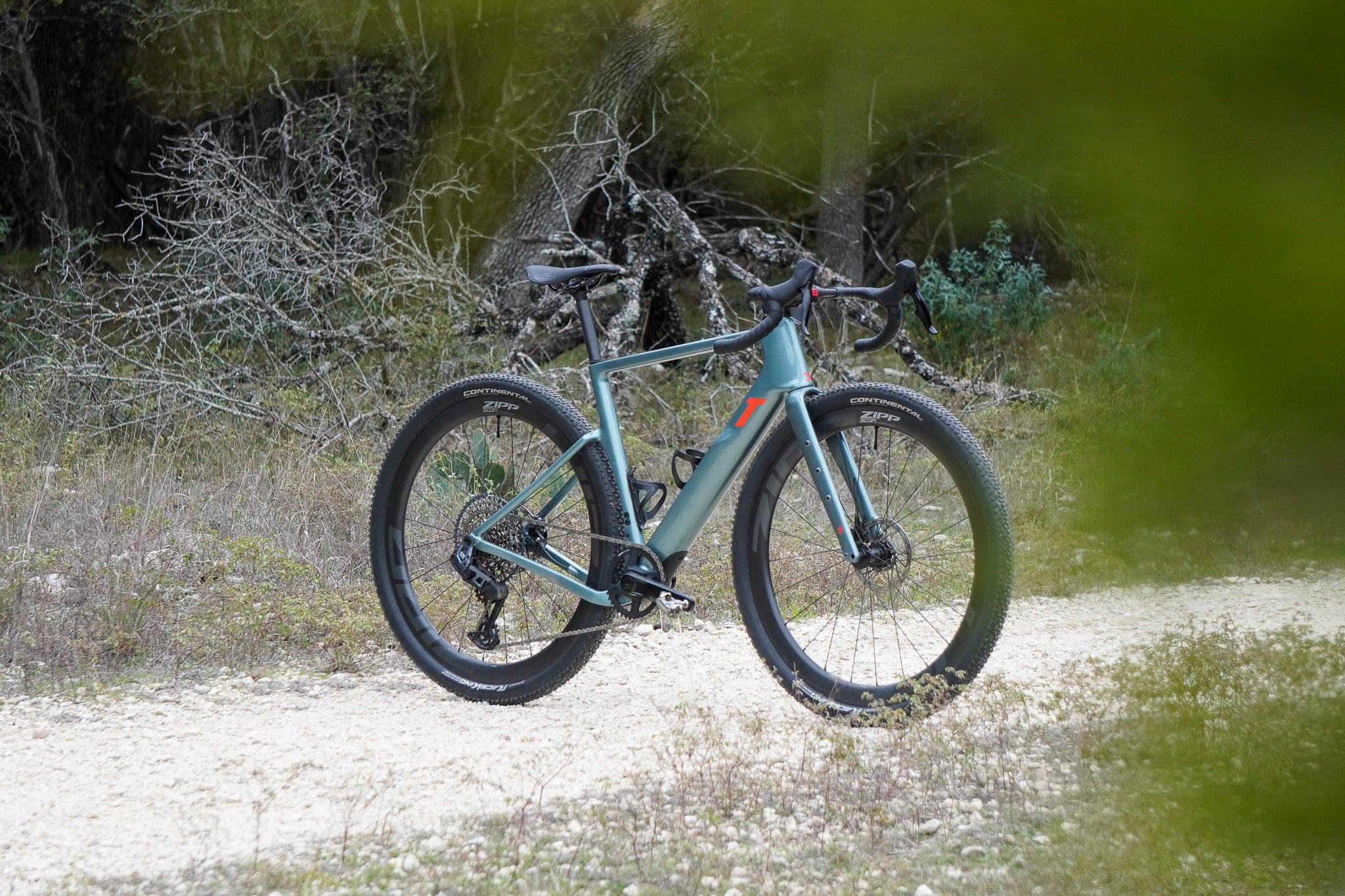
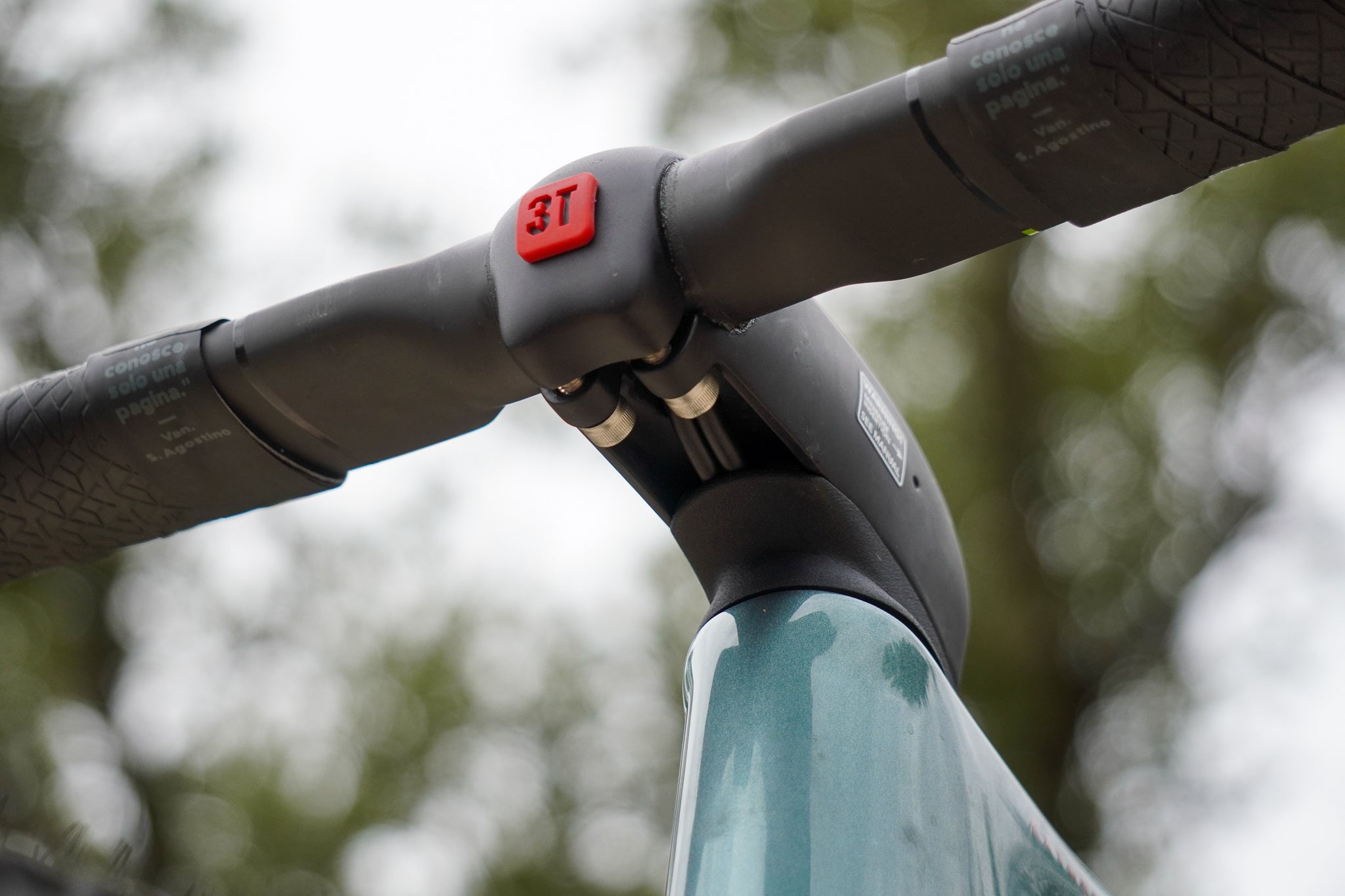
You look at the massive aero tube shapes that’ll get you some side eye on the next Party Pace ride, and the finishing tape on the bars that borders on cringe, and you think this bike takes itself too seriously. But I’m going to just come out with it: this bike is far more fun to ride than I expected. It’s just so easy to ride.
The riding position isn’t especially road bike-like. It places the rider more upright than 3T’s other gravel bikes and far more upright than a road bike. In my case, I felt just high enough up to feel like I could ride long distances in the drops without feeling like like a sailboat being blown back to shore.
Riding the Extrema in the drops is where the bike feels most stable and planted. That additional width, paired with the wide tires and big wheels, means the Extrema never really feels out of its depth tracking through dried river beds, up and over roots, and the like. You get the sense that you can roll over just about any bit of terrain you’d otherwise needle through on a traditional gravel bike
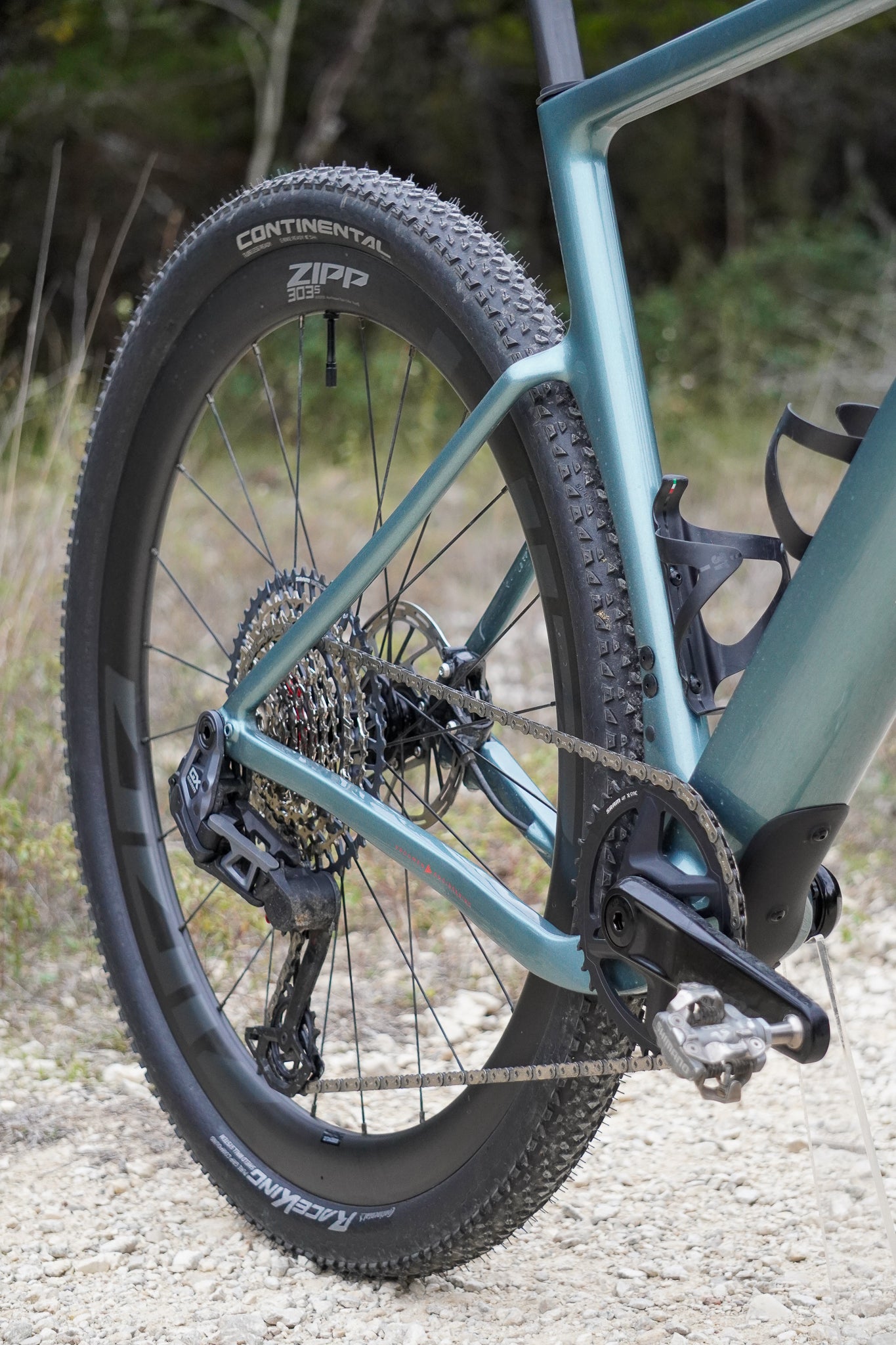
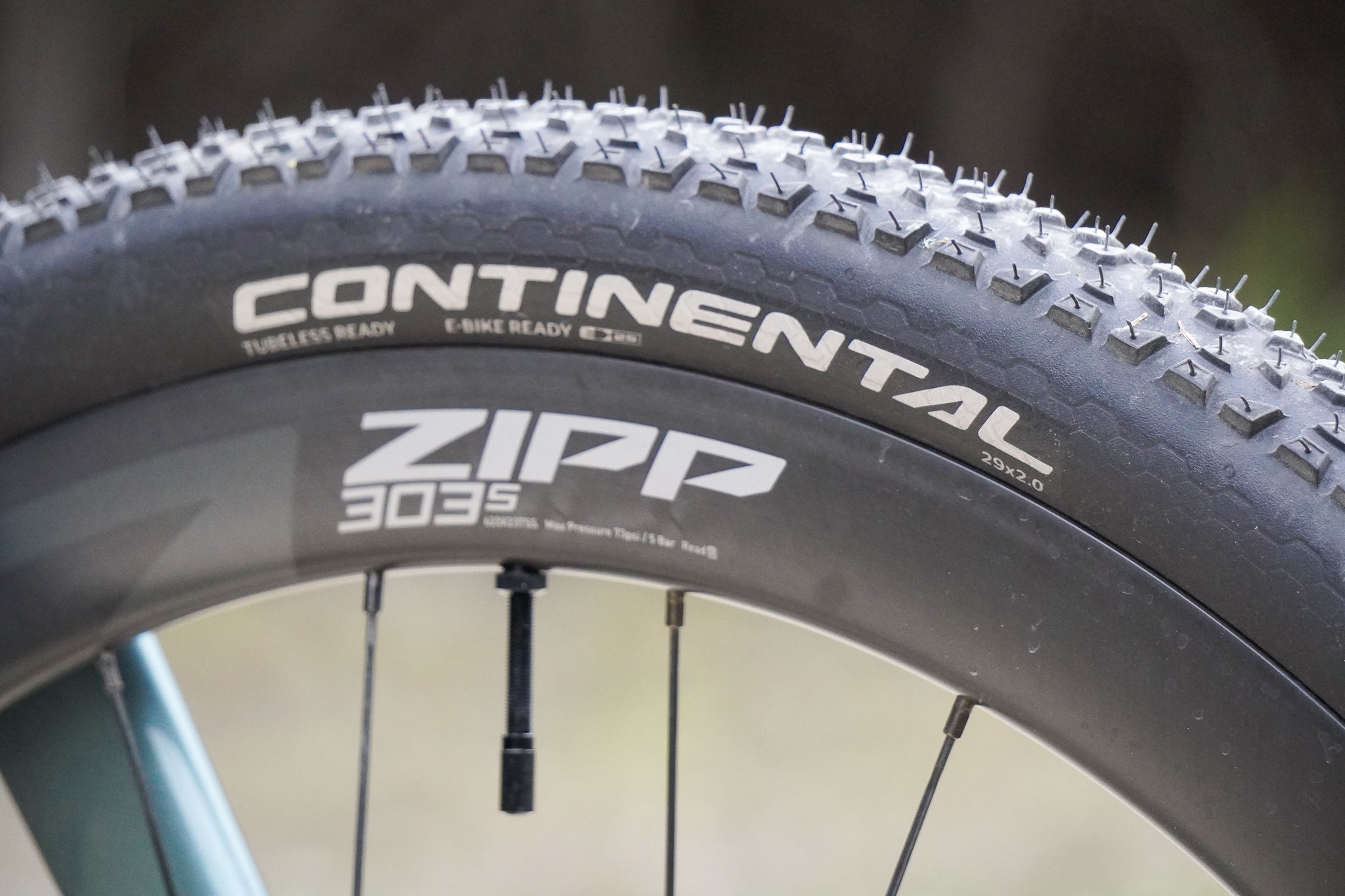
Did I notice the extra drag or slowness that comes with these 50 mm-wide tires and a more traditional gravel tire? Absolutely. The Continental Race King 29 x 2.0” (~50 mm) doesn’t feel all that much slower than a narrower 45 or even 40 mm gravel tire, but even that’s a bit misleading. On the chunky gravel, you see in these photos, the tires feel similarly quick to a traditional gravel tire. When the gravel or dirt road gets sandy or chunky, the wide tire isn’t necessarily faster but you don’t have to think as much as you corner or as you choose your line. That’s where wide tires and can feel faster.
Where the mountain bike tires lose is on pavement or smooth dirt roads, especially if you’re going above 20 miles an hour (32 kph). There’s simply too much drag at those higher speeds. But if I was riding mostly on gravel and singletrack, I didn’t feel like I was losing out on much with this tire and wheel combination.
The Extrema is at its best riding where you’d otherwise ride a cross-country hardtail mountain bike; think flowy, twisting singletrack with minimal technical areas and fire roads. It doesn’t miss a beat on gravel on dirt roads either, trading some top-end speed for outstanding cornering grip and small-bump vibration damping.
This bike has its flaws, however. Taking a poor line through a rock garden required a long search for my rattled-out fillings, giving me plenty of time to wonder if my ride would be easier on a lightweight cross-country hardtail MTB. I might be more comfortable riding with drop bars, but at what point does the suspension on an XC bike outweigh the rider position the Extrema offers me?
Then there’s the matter of tire pressure, as a wider tire is more sensitive to tire pressure changes. Too low and it becomes bouncy and sluggish. Too high and you lose comfort and grip. While these Continental Race King tires felt fast for their width and intended use case, the entire experience made me wonder if I wouldn’t be better served by a bike with some sort of suspension.
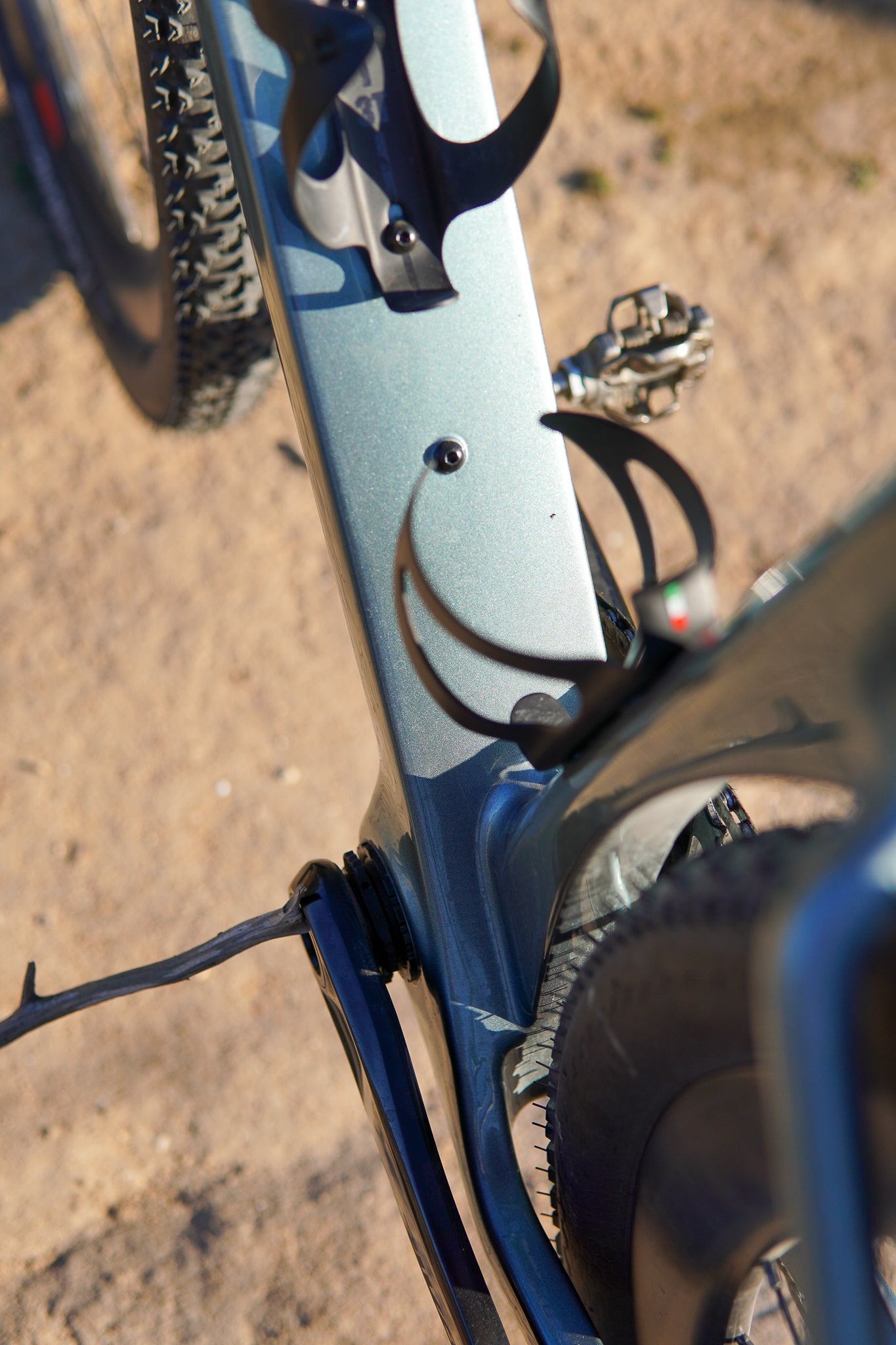
Then there’s the bike’s design and build, which itself comes with some highs and lows.
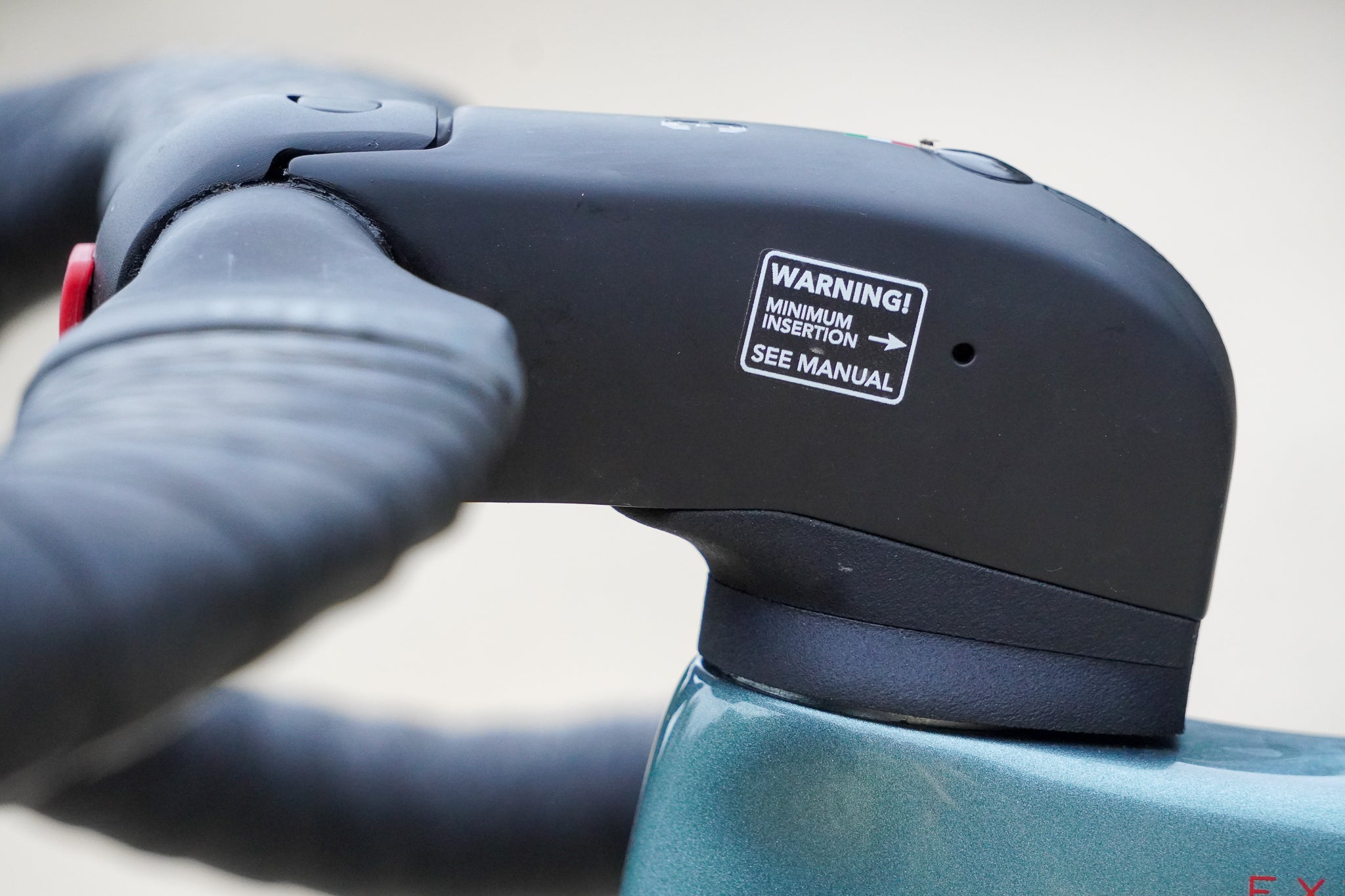
The downtube is possibly the largest I’ve seen this side of an electric bike. This would’ve been a prime location for some a downtube storage hatch. Perhaps people might not use the space all that much, but it would be a great way to show off that made-in-Italy carbon weave!
The bolt-on bag mounts on the top tube are farther back than they are on most bikes. Previous 3T bikes used to do this because they routed their cables and hoses behind the stem, but that’s not the case with the Extrema, as it features internal cable routing. It was a non-issue in my riding, but I would prefer to have them closer to the stem for greater knee clearance.
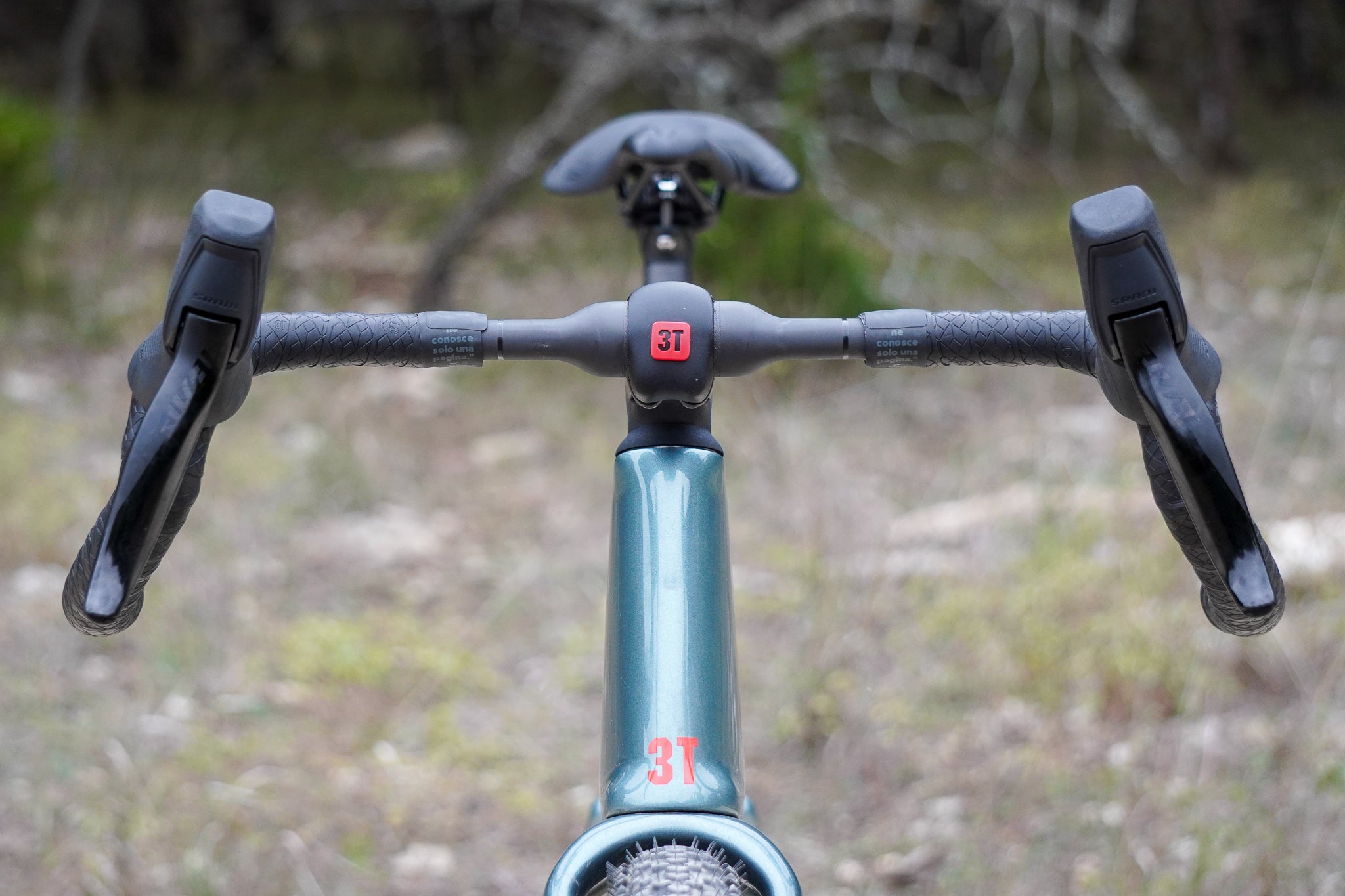
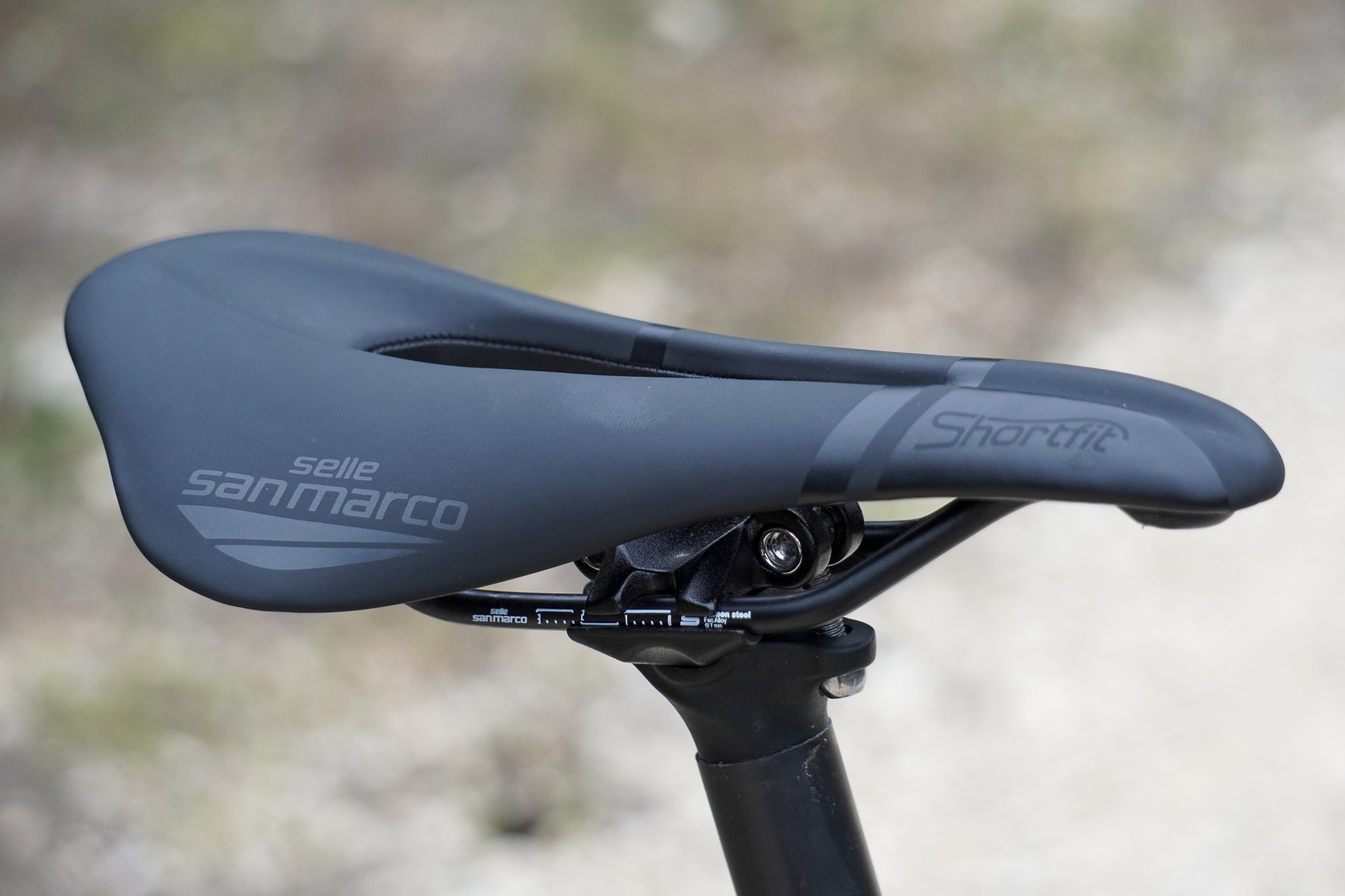
As far as the spec is concerned, there’s a lot of good here. The SRAM AXS mullet drivetrain pulled off some of the best shifting I’ve experienced from any SRAM drivetrain, with gearing that felt about perfect for the bike. I didn’t find too much to complain about with the saddle either.
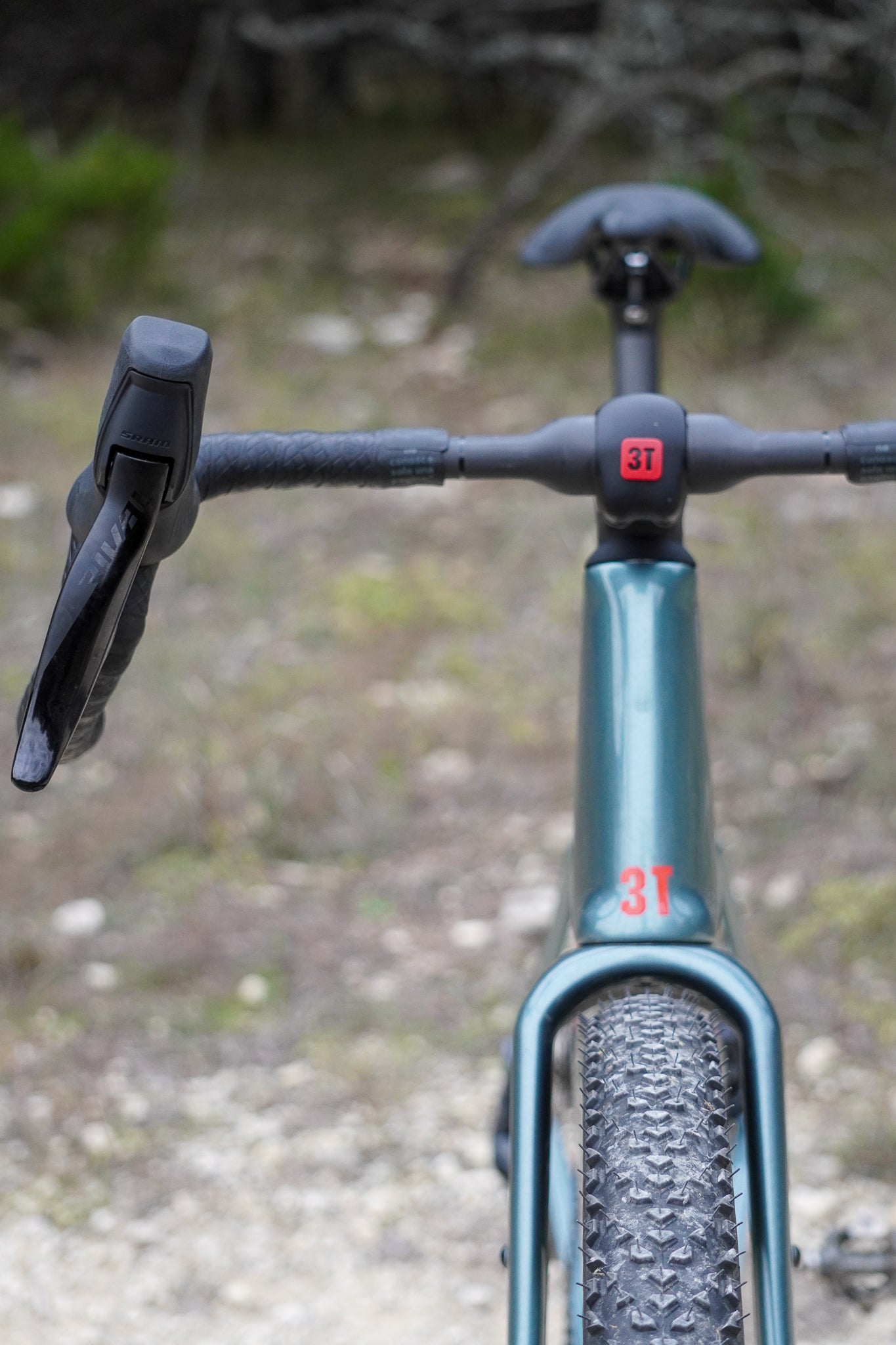
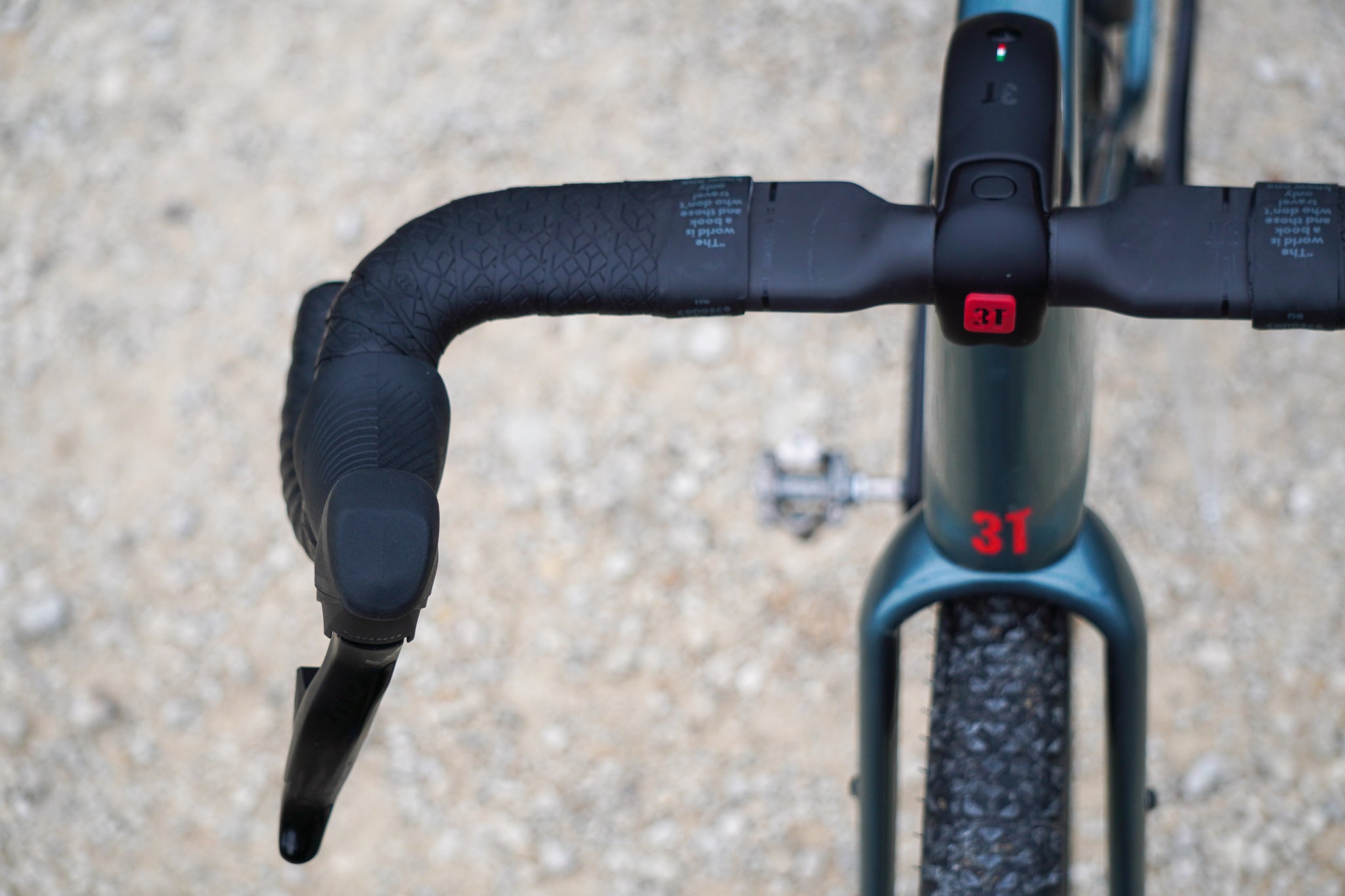
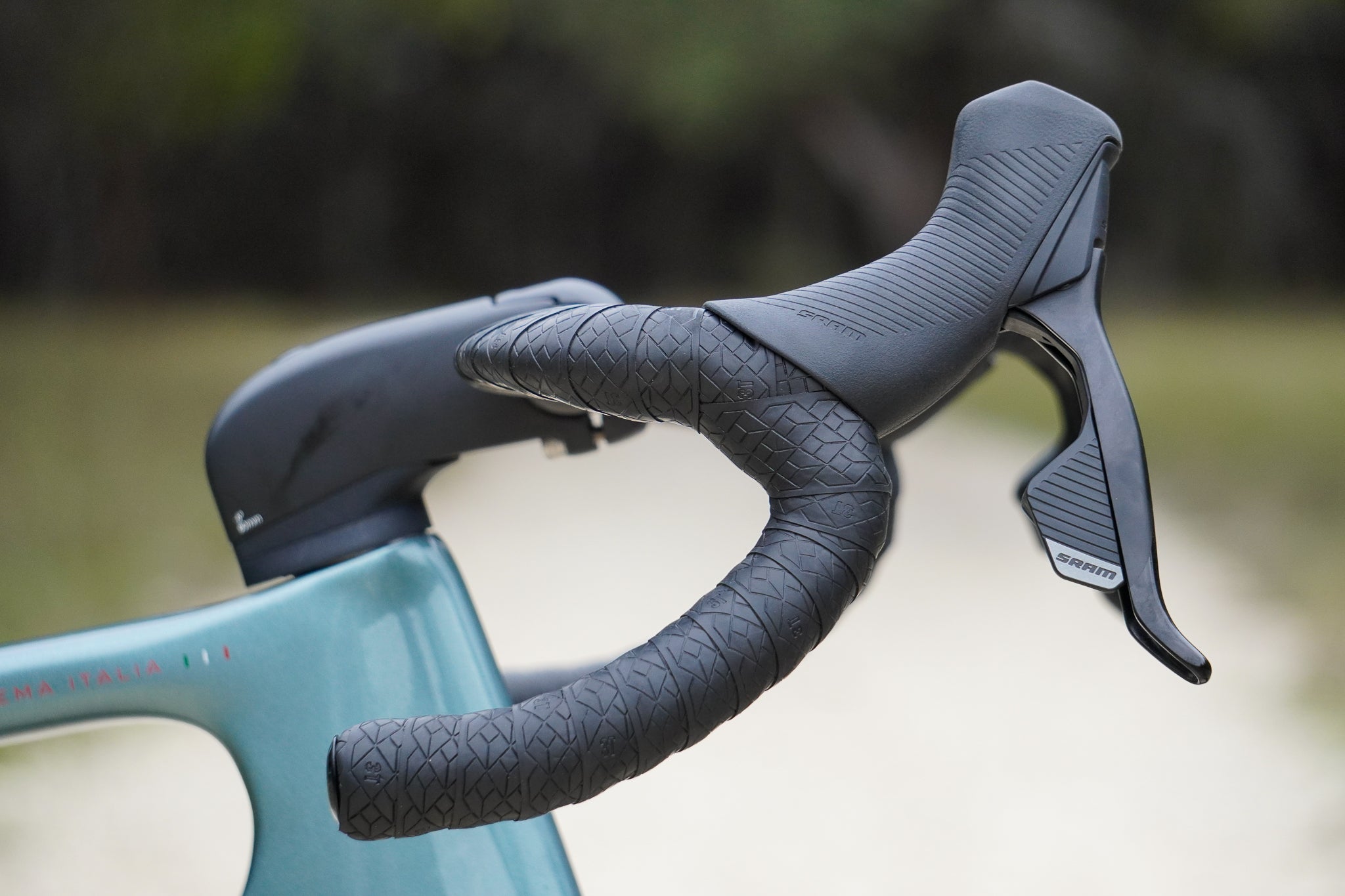
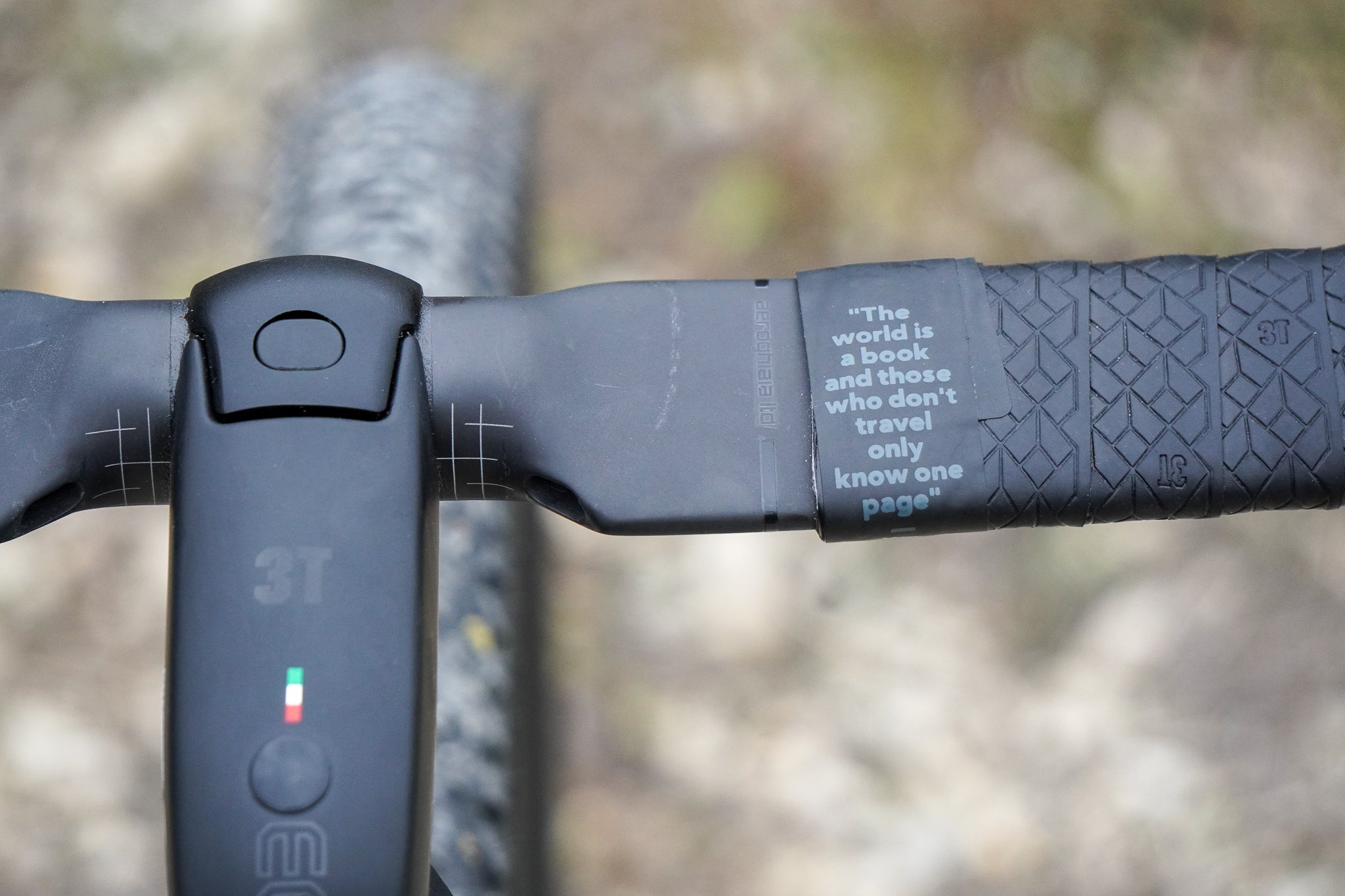
I adored the 3T Aeroghiaia handlebars. They have a bit of an aero top to them, giving you plenty of room to put your hands when you’re cruising. The hooked part of the drops flare out dramatically without skewing the brake levers outward. It proved to be a comfortable spot for my hands while navigating techy singletrack descents, far better than just being on the hoods.
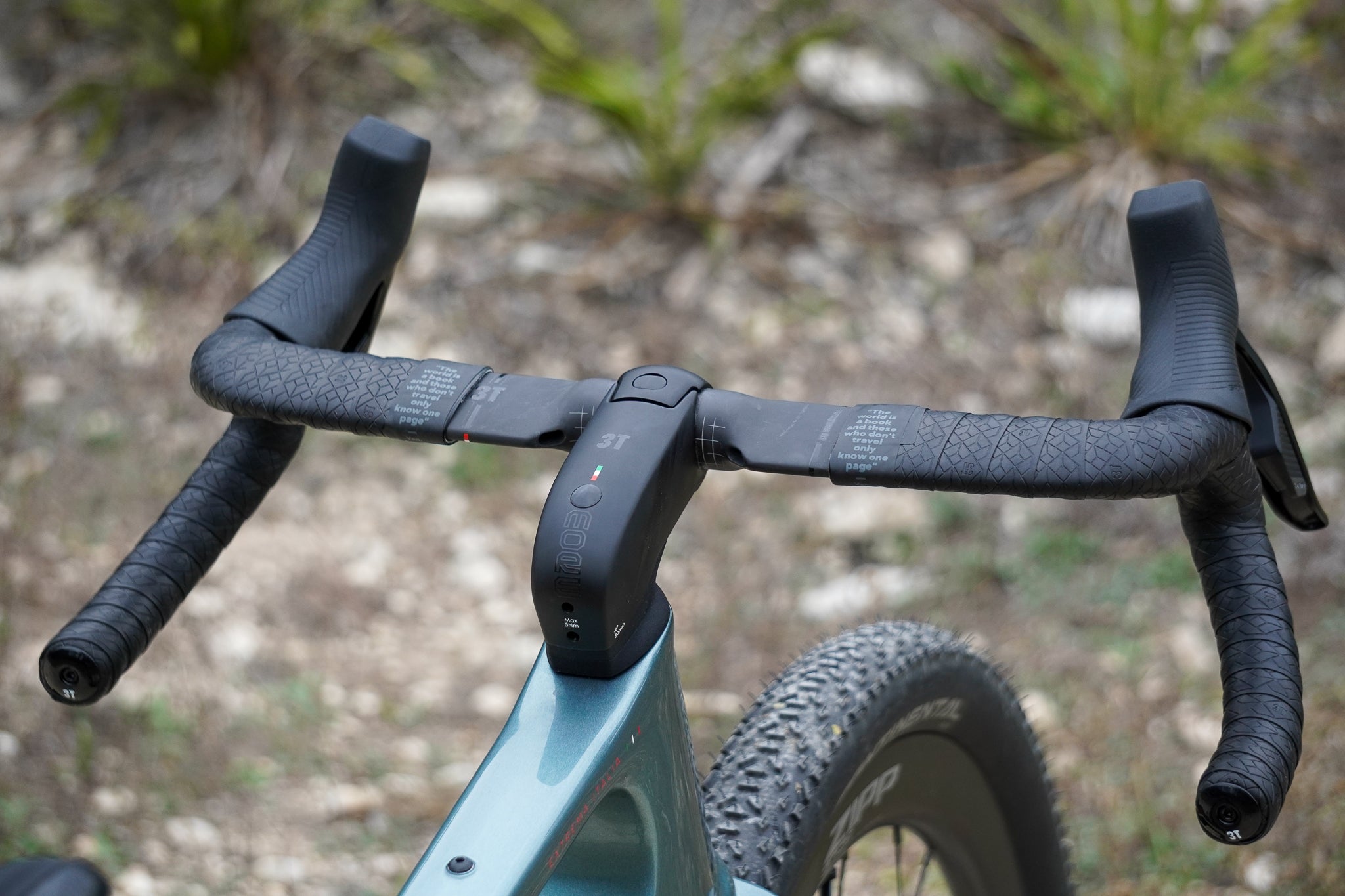
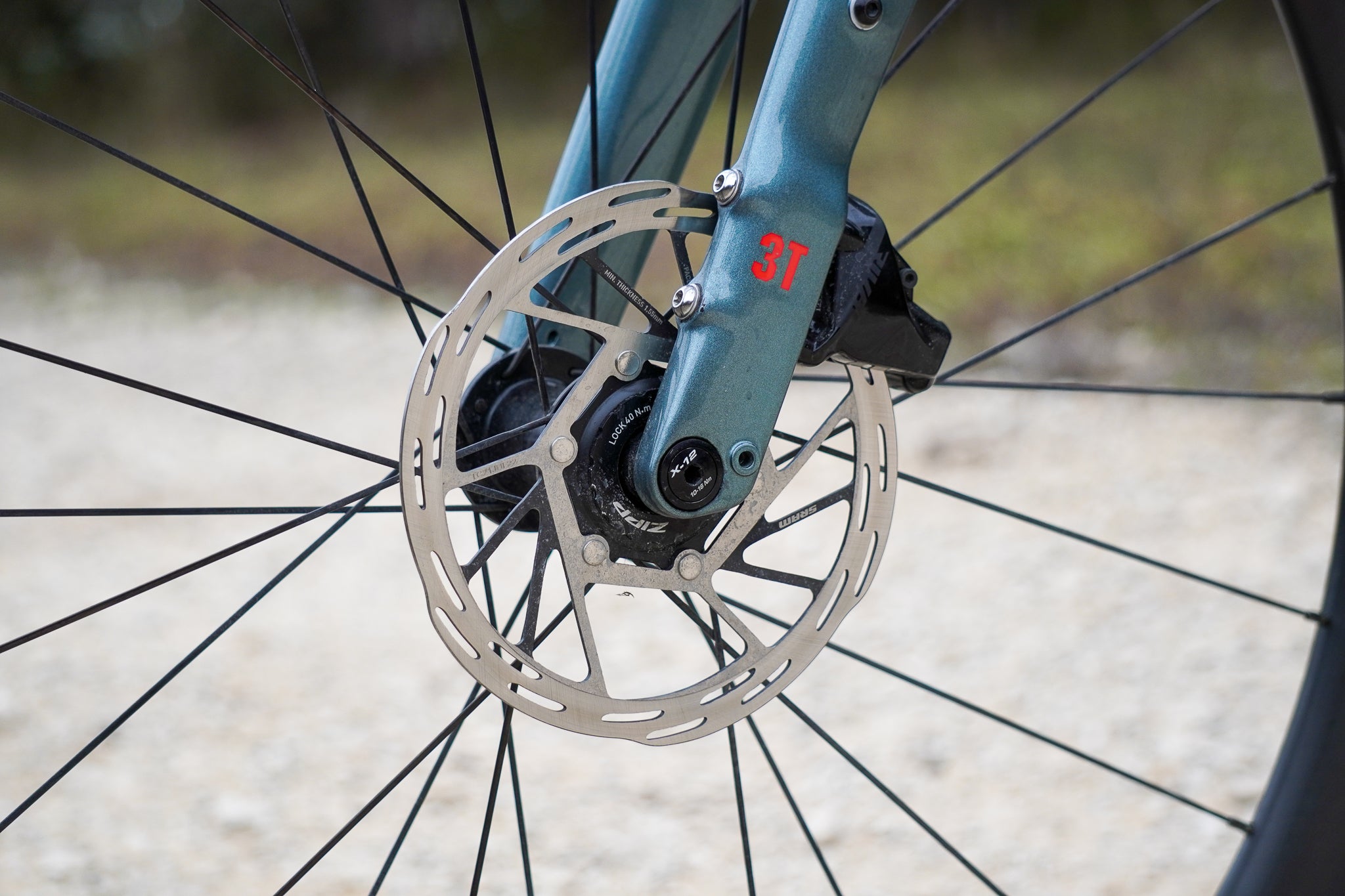
The Zipp 303S wheels feel like an odd choice considering the tire’s width, as the 23 mm internal rim width feels like we’re building a cross-country bike from 2009. But the tires–the Continental Race King 29 x 2.0-inch–are excellent. Despite the additional weight over a traditional gravel tire, the Race King tires feel plenty quick in most situations. These tires enable so much of what makes the Extrema so good, and swapping for something else will likely slow the bike down.
Folks will question the overall price point of the bike. Prices for a module (frame, fork, headset, seat post, and 3T stem) are expensive any way you shake it. But if you value the made-in-Italy story (and the supposed build quality that comes with it), then there isn’t much that comes close.
The 3T Extrema vs the competition
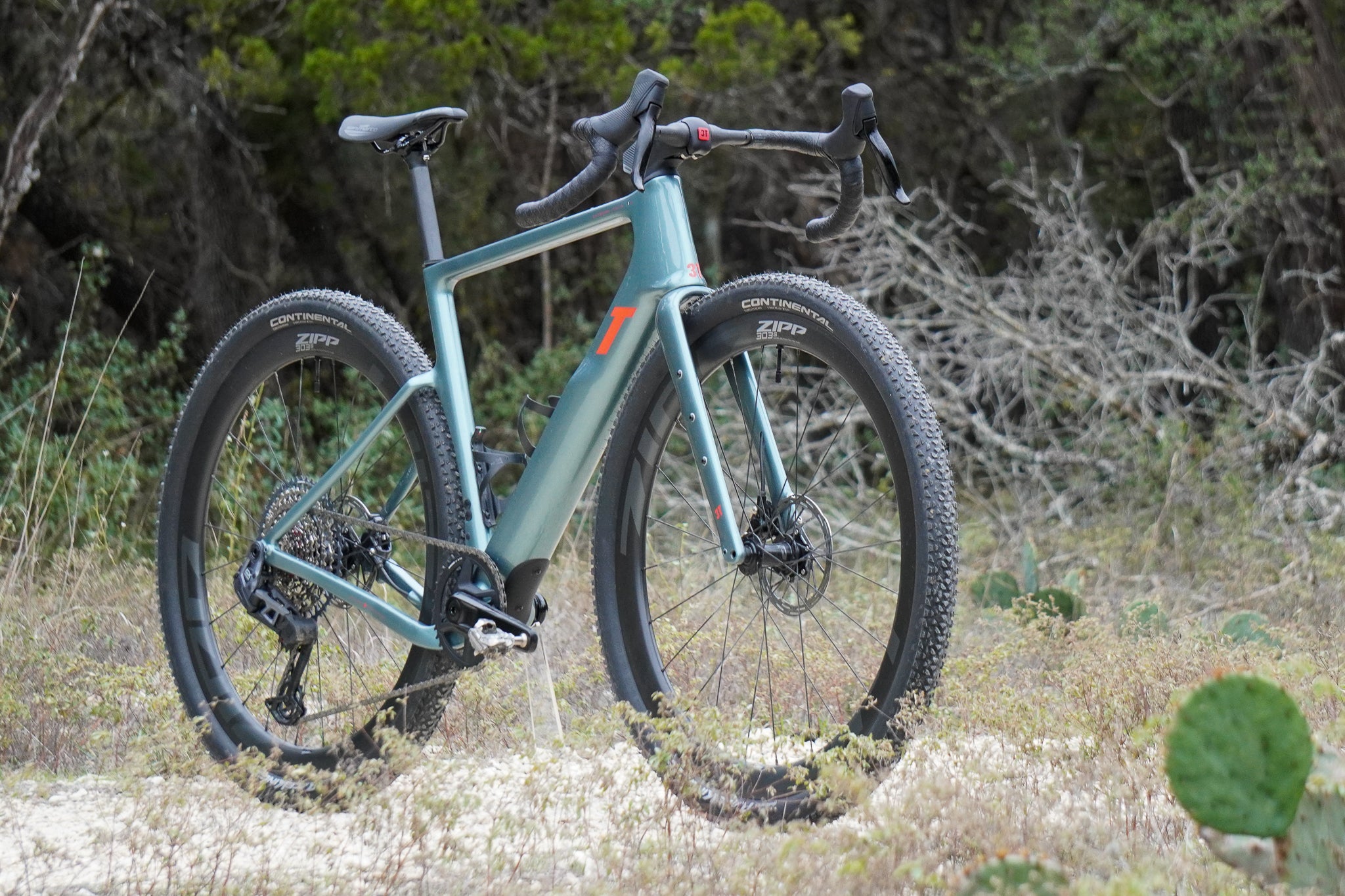
The original 3T Exploro launched to minimal competition, as it was a gravel bike with road geometry and aero tube shaping. The Extrema launches to a similar market. There aren’t many bikes that match with the same performance pretenses, quick handling, and tire clearance.
So what’s the competition? I’d point to the Rodeo Labs Traildonkey as a competitor, as it has similar performance pretenses. The Traildonkey isn’t quite as aero, doesn’t have that made-in-Italy allure, doesn’t fit quite as big a 29/700c tire (29 x 2.1”/700c x 53 mm or 27.5 x 2.4”/650b x 60 mm), but it comes in at a lower price point and has a downtube storage hatch.
I’d also point to the Lauf Seigla gravel bike as a competitor. The Seigla fits the same sized tires as the Extrema, but does so with shorter chain stays and importantly, the option of Lauf’s Grit leaf spring suspension fork. The Seigla lacks internal cable routing, the option for 2x gearing, and made-in-Italy allure, but it comes in at a price point that vastly undercuts the Extrema.
The Time ADHX 45 gravel bike might be far more traditional, with its standard geometry and 45 mm tire clearance. But where it competes with the Extrema is frame construction, as it features the same RTM carbon layup as the 3T made in Slovakia. These frames have proved to have truly excellent build quality in my experience.
Conclusion
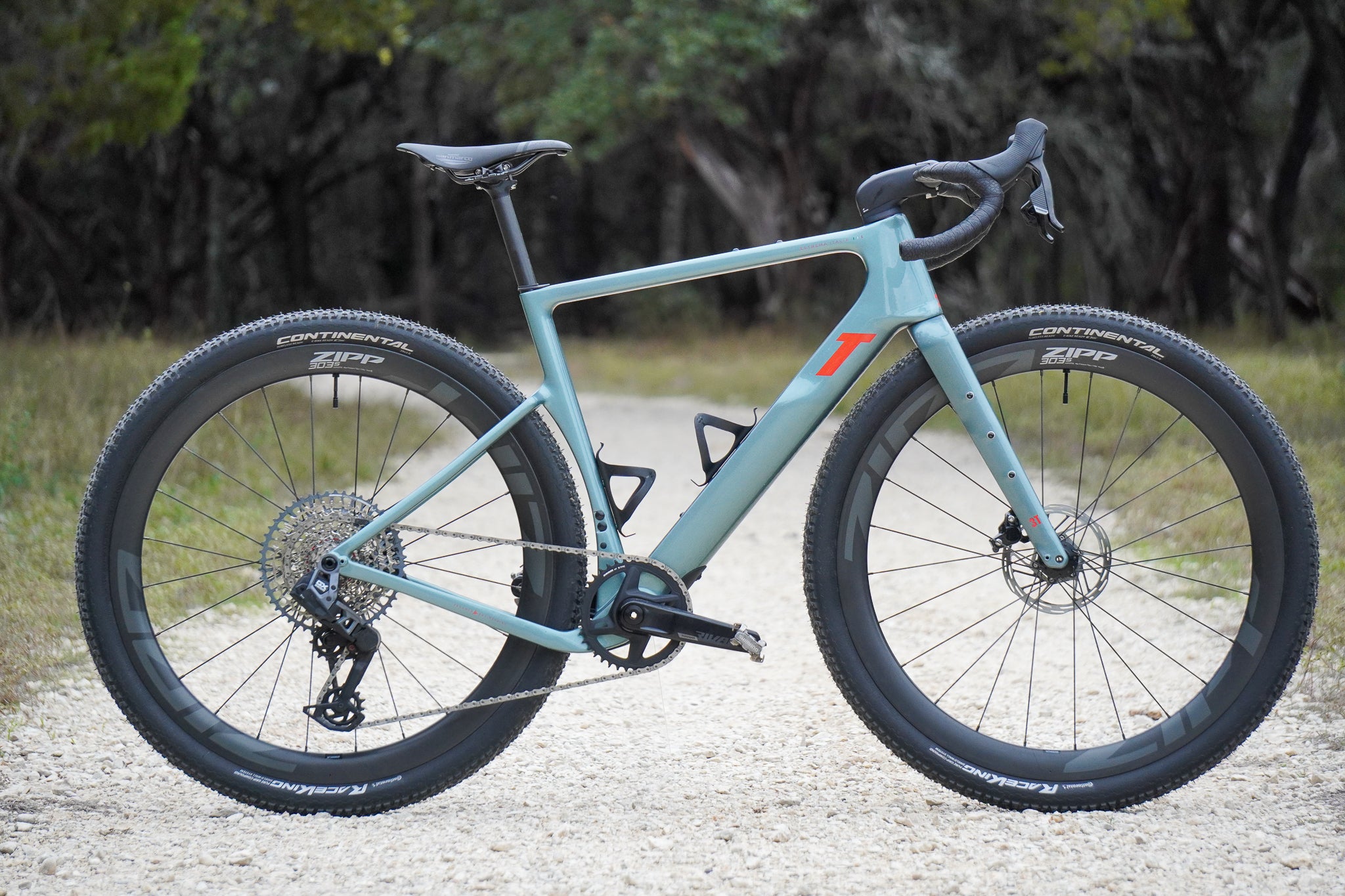
I feel a bit conflicted about the 3T Extrema Italia. At a surface level, the Extrema feels like the future; how else are you finding something with this much tire clearance, that handles this well, and has such a focus on speed as this does? Dig in deeper and at times I wish 3T went even further with the concept. More frame protection and a downtube storage hatch could make the Extrema even more… extreme.
At the same time, it feels a bit gratuitous. The made-in-Italy component likely assures great build quality and it definitely assures better ride quality. But how much does that ride quality matter if you’re riding with 50 mm tires, or when you’ve loaded your bike up? At least for me, ride quality isn’t a major concern when I can adjust my tire pressure and go. The same goes with the frame cost, which feels high for something you’d expect to get beat up from adventures.
The moments I most enjoyed the Extrema were when I didn’t think and I just rode the bike. In these moments, it’s a near-singular experience that feels closer to being the best of both a mountain bike and gravel bike than anything I’ve ridden. It’s when I look at the rest of the package and wonder if I’m better off with something like a 3T Exploro Ultra.
Gallery
[ad_2]
Source link